
Reviewed · GYEONGJU HERITAGE TOURS
Gyeongju: Private Car Tour with a Licensed Tour Guide
Ancient Korea comes alive around Gyeongju. I like the door-to-door car service and the chance to shape the day around your pace, especially when heat, rain, or tired legs become part of the plan. I also like having a certified English-speaking guide explain Silla history at the actual sites, rather than leaving you to decode stone pagodas and royal tombs alone. The main catch is simple: the full route is a long day, and the four-hour option cannot sensibly cover every stop.
This private tour costs $399 for up to seven people, so the value improves sharply with a family or small group. Guides such as Mia, Jason, Joy, Daisy, Gina, and Larry have earned particular praise for clear English, warm personalities, safe driving, and flexible planning. Lunch and some admission fees are extra, so your final cost will be higher than the headline price.
In This Review
- Six things to know before booking
- Why a private car makes Gyeongju easier
- Bulguksa Temple and Seokguram Grotto: Silla spirituality
- Hongsi lunch: a useful taste of Korean dining
- Daereungwon and Cheonmachong: royal tombs in the city
- Cheomseongdae: a small monument with a large story
- Gyeongju National Museum: the best place for context
- Donggung Palace and Wolji Pond at dusk
- The guides are the heart of the experience
- Who gets the best value from this tour?
- Booking decision: is the $399 price fair?
- FAQ
- Where can the tour pick me up and drop me off?
- How long is the tour?
- Can I travel from Busan to Gyeongju and return to Busan?
- Can I start in Busan and finish in Gyeongju?
- Is lunch included?
- Which entrance fees are extra?
- Is the tour private?
- Is the tour wheelchair accessible?
- What language does the guide speak?
Six things to know before booking
- The route links Gyeongju’s major sights: Bulguksa Temple, Seokguram Grotto, Daereungwon, Cheomseongdae, the National Museum, and Donggung Palace and Wolji Pond.
- Pickup can begin in Busan or Gyeongju: The private car removes the need to manage regional buses, taxis, and several separate journeys.
- The guide can adjust the day: Past tours have changed pace for heat, rain, crowds, exhaustion, and family needs.
- The Silla story connects every stop: Temples, tombs, astronomy, royal art, and palace life make more sense as one historical story.
- Hongsi offers a full Korean set meal: Lunch is not included, but the recommended meal includes fish, meats, soups, side dishes, dessert, and herbal tea.
- The nine-hour format is the practical choice from Busan: A four-hour tour is limited to Gyeongju pickup and drop-off and is better for a short, selective visit.
Why a private car makes Gyeongju easier
Gyeongju is spread across a broad area. Bulguksa Temple and Seokguram Grotto sit away from the central tomb district, while the museum, Cheomseongdae, and Donggung Palace and Wolji Pond are closer to the city center.
That layout is the strongest reason to consider a private car. You can move between the sites without arranging a new taxi each time, and your guide handles parking, tolls, fuel, and the driving. The air-conditioned vehicle matters in Korea’s hot summer months, when even a short walk across an open archaeological site can feel demanding.
The tour accepts private groups of up to seven people. That makes the $399 price a different proposition for two people than for a full family or group of friends. Split seven ways, the transport and guiding cost is quite reasonable for a full day. For two people, it is a premium purchase, but you are paying for privacy, direct transfers, and a licensed guide rather than simply buying admission to monuments.
Pickup and drop-off are available at requested locations in Busan or Gyeongju, with important time differences:
- Gyeongju pickup and drop-off takes about eight hours.
- Busan pickup and drop-off takes about nine hours.
- Busan pickup with Gyeongju drop-off takes about eight hours.
- Gyeongju pickup with Busan drop-off takes about eight hours.
- The four-hour format is limited to pickup and drop-off within Gyeongju.
That final point matters. If you want the complete sequence of temple, grotto, lunch, tombs, observatory, museum, and palace pond, choose the longest suitable format. A shorter tour needs a trimmed plan.
More Private Tours in Gyeongju
- Gyeongju UNESCO sites Private tour with licensed tour guide
★ 5.0 · 275 reviews - Private Gyeongju Tour – Explore Gyeongju UNESCO Sites
★ 5.0 · 272 reviews - Full day Private Gyeongju UNESCO Heritage Tour : a glimpse into Silla
★ 5.0 · 60 reviews
Bulguksa Temple and Seokguram Grotto: Silla spirituality
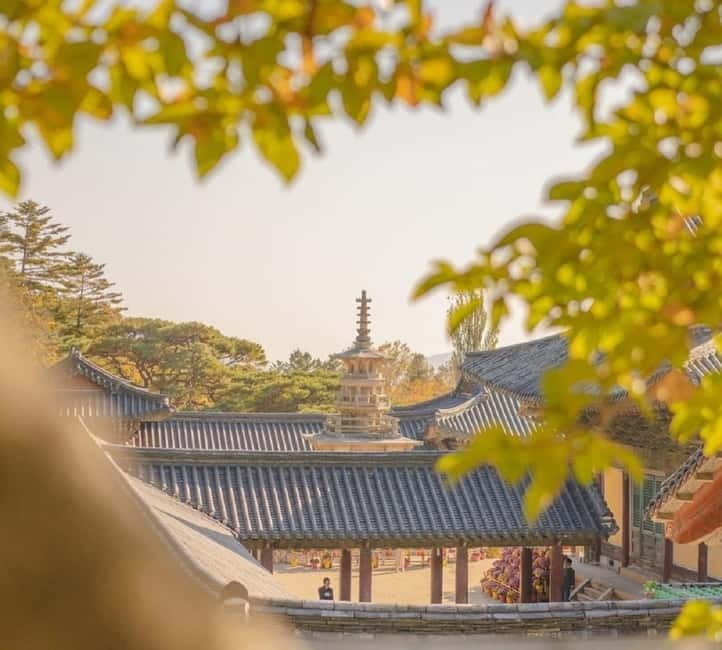
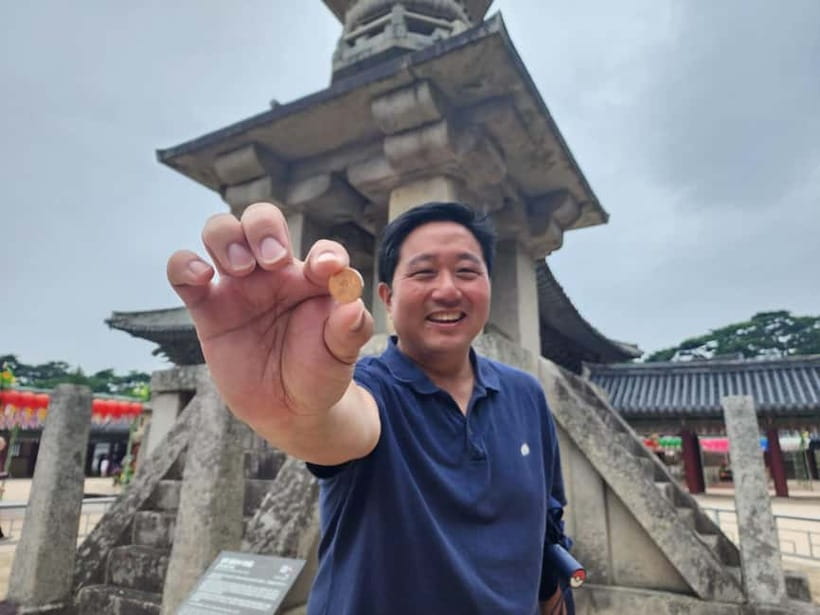
Bulguksa is a strong opening because it gives you the clearest introduction to Silla-era Buddhist architecture. The temple grounds include carefully built stone pagodas, stairs, halls, and decorative details that reward a guide’s explanation.
Your one-hour guided visit is enough to see the main areas without turning the first stop into a marathon. I would pay close attention to the stonework. The point is not simply that the temple is old. Its design reflects how Silla builders joined religious ideas, symmetry, craftsmanship, and movement through space.
A guide can also help you understand what you are seeing without burying you in dates. Joy was praised for making Bulguksa enjoyable even for a family member who normally dislikes temples. That is a useful sign of what a good guide adds here: the ability to connect architecture to people, beliefs, and stories.
Seokguram Grotto brings a different mood. This artificial stone grotto contains a large Buddha surrounded by detailed Buddhist figures and relief work. The one-hour visit is less about wandering a huge complex and more about standing quietly before a carefully planned sacred interior.
The stop involves a change of setting from open temple grounds to a more enclosed grotto. If you have limited mobility, ask for the adjusted pace in advance. The activity is listed as wheelchair accessible, and the itinerary can be modified around fitness, but the exact arrangements for every part of the route should be confirmed before departure.
Together, Bulguksa and Seokguram explain why Gyeongju is often called a museum without walls. One lets you read Silla belief through buildings and stone. The other focuses that belief into a single, powerful Buddha image.
Hongsi lunch: a useful taste of Korean dining
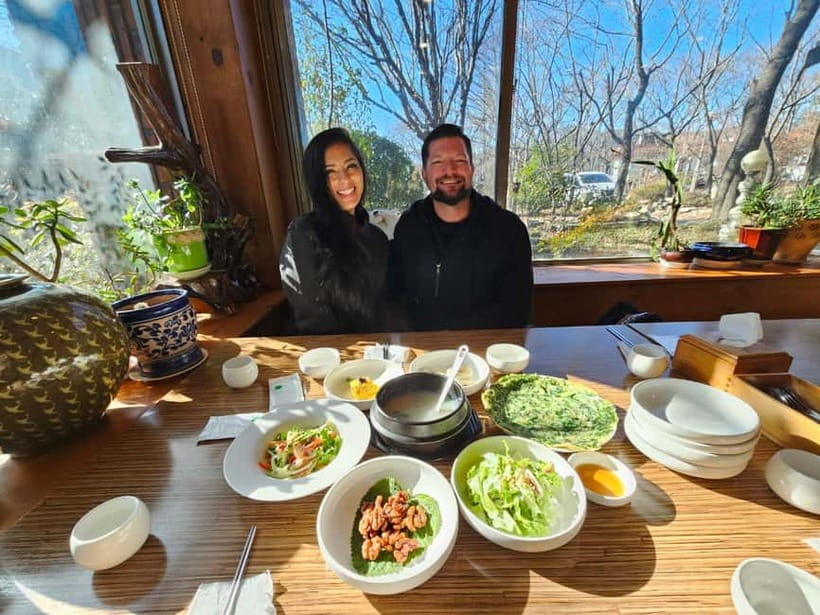
Lunch at Hongsi Hanjeongsik is planned for about an hour. The meal is described as a traditional Korean spread with a variety of fish and meats, three kinds of soup, many side dishes, frozen persimmon, and Korean tea made with more than ten medicinal herbs.
This is more than a quick refueling stop. Hanjeongsik is built around several dishes arriving together, so you get a broader look at Korean dining than a single bowl or grilled main course. Mia has been praised for explaining each dish and its meaning, while other guides have helped with ordering and menu choices.
The meal is not included in the $399 price. That keeps the tour flexible, since your group pays for what it orders, but you should budget for lunch separately. Hongsi is described as reasonably priced and highly regarded, though restaurant details and menu choices can change.
A private guide is especially helpful at a meal like this. You can ask what to try, how to eat unfamiliar side dishes, and which flavors are typical of the region. If food is a major reason you visit Korea, tell the guide before the tour so lunch can be treated as a central part of the day rather than a hurried break.
Daereungwon and Cheonmachong: royal tombs in the city
The Daereungwon Tomb Complex changes the scale of the tour. Instead of temple halls or a single religious sculpture, you walk among large grassy burial mounds connected to Silla royalty.
The setting is striking because these enormous tombs sit within the modern city. They are not distant ruins cut off from daily life. You can see how Gyeongju’s ancient past remains part of the city’s physical layout.
Cheonmachong Tomb can be entered, and excavated objects are displayed inside. This gives you a more direct sense of what the mounds contained and how archaeologists learned about Silla royal life. The gold, objects, and burial evidence make the tombs easier to understand than if you only viewed the mounds from outside.
Plan on about an hour here. The grounds are open and involve walking, so this is one place where sun, rain, and heat can affect your enjoyment. The private format helps because your guide can shorten the visit, add time, or adjust the order if your group is tiring.
Daereungwon also gives the guide room to explain social structure. Royal tombs are not just scenic hills. They show the resources, rituals, and status attached to Silla power.
A few more trips of this kind worth comparing:
- Gyeongju: Private Car Charter Taxi Tour
★ 5.0 · 37 reviews - Full Day Private car tour to UNESCO Gyeongju&Yangdong village
★ 5.0 · 5 reviews - Jeju Island Popular Sightseeing Private Car Charter Tour 5/9hours
★ 5.0 · 382 reviews - Jeju Island: Private Car Charter Tour
★ 4.9 · 157 reviews
Cheomseongdae: a small monument with a large story
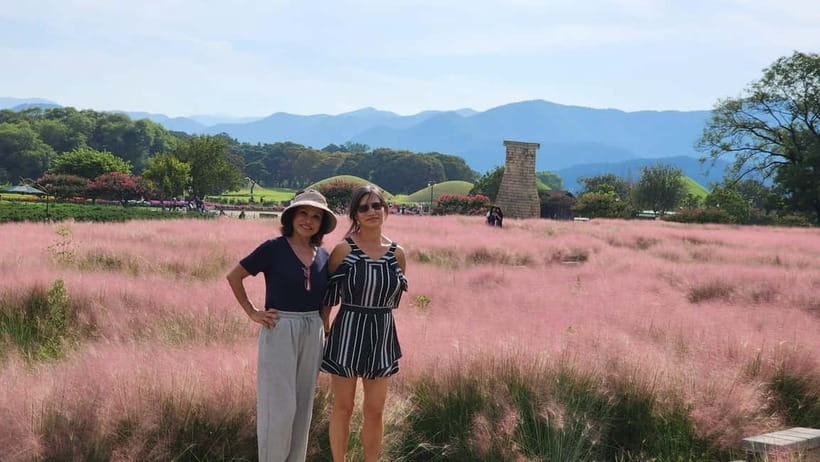
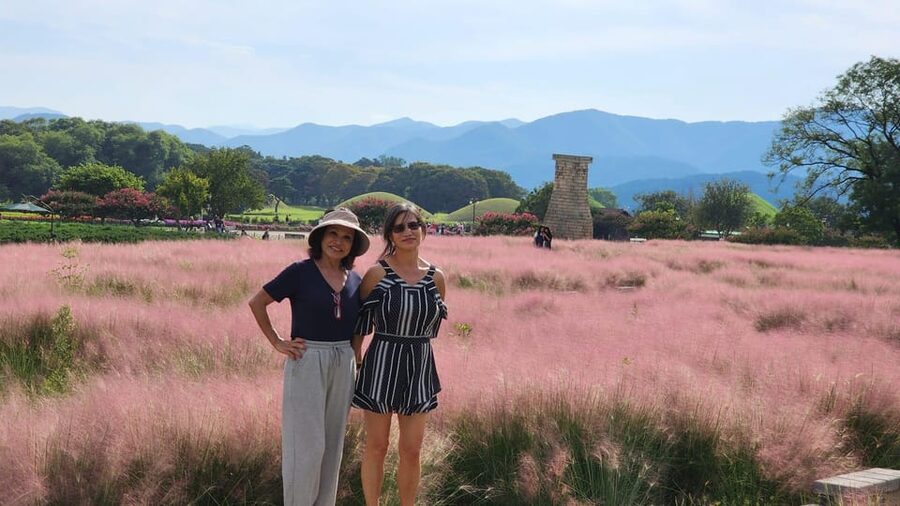
Cheomseongdae takes about 30 minutes, making it the quickest stop on the route. This bottle-shaped stone structure is described as the oldest surviving astronomical observatory in Asia and was built during the reign of Queen Seondeok.
It is not a giant monument, so expectations matter. You will likely spend less time at the structure itself than at the larger temple or museum. Its value comes from the explanation: Silla court life included close attention to the stars, seasons, and weather.
The observatory also adds variety. After tombs and Buddhist sites, you get a glimpse of scientific work in the Silla period. Your guide can connect the structure to Queen Seondeok and to the wider role of astronomy in an ancient court.
If your tour is shortened, this may be one of the brief stops rather than a place to cut entirely. Thirty minutes is enough for a look, photographs, and a focused explanation.
Gyeongju National Museum: the best place for context
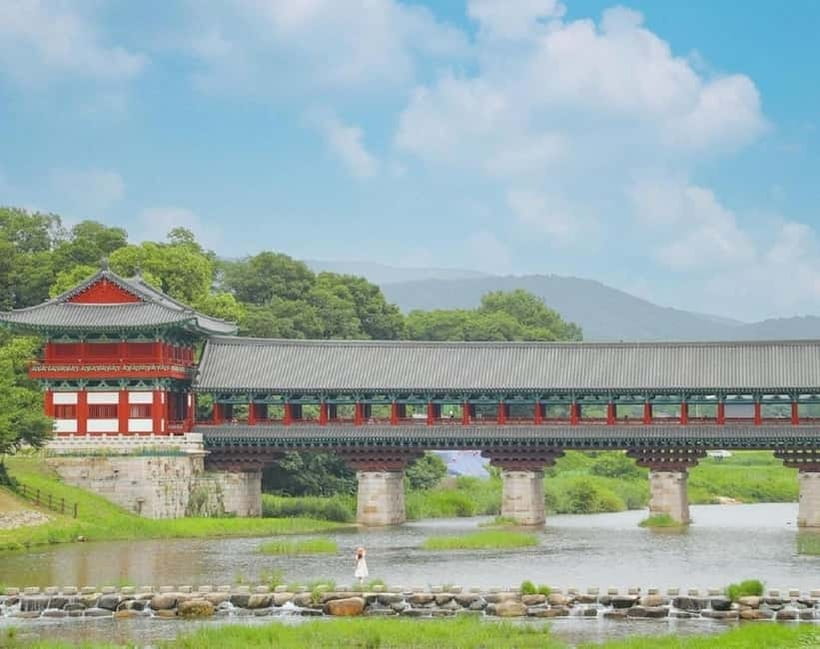
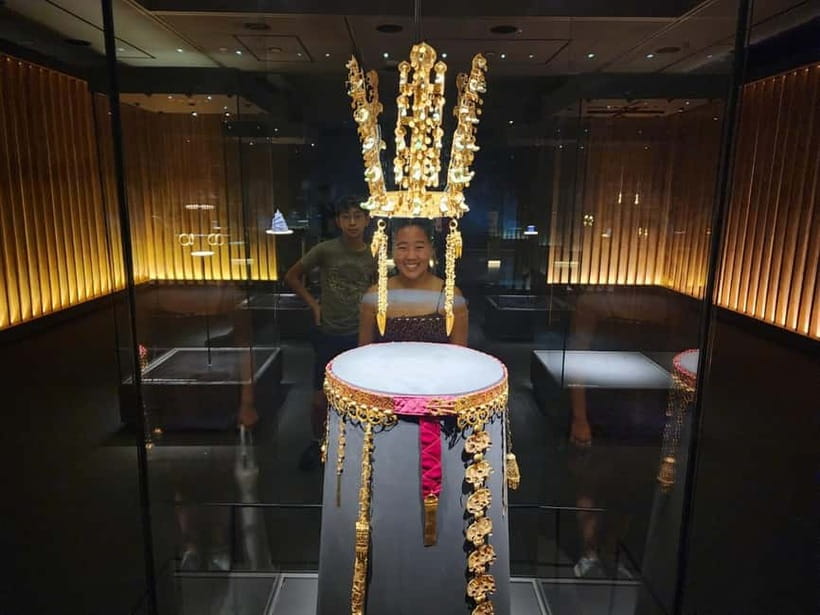
The Gyeongju National Museum gives you a chance to gather the pieces. Its collection includes Silla gold crowns, pottery, Buddhist objects, and other archaeological material tied to the kingdom.
I consider this stop especially useful after Bulguksa and Daereungwon. At the temple, you see the architecture. At the tomb complex, you see the burial mounds. In the museum, you see the objects that show how art, religion, royal power, and daily life fit together.
The planned museum visit lasts about an hour. That is enough for a guided selection, but not for every display. If you are deeply interested in archaeology, ask whether the itinerary can give the museum more time. If your group prefers outdoor sites, the guide can keep the visit focused.
The museum also provides welcome shelter during bad weather or hot afternoons. One guide, Gina, was praised for providing raincoats and umbrellas when conditions turned wet. That kind of practical care can make the difference between a memorable day and a soggy one.
Donggung Palace and Wolji Pond at dusk
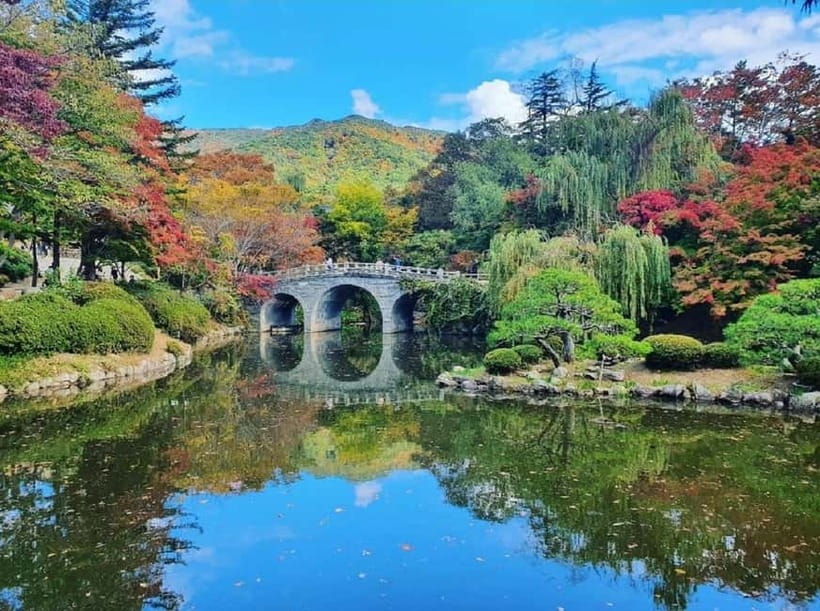
Donggung Palace and Wolji Pond is the most atmospheric finish. The site was once a secondary palace during the Silla period, and its buildings reflect in the water as daylight fades.
Timing matters here. The pond is appealing during the day, but dusk gives you the reflections and softer light described in the tour plan. The site is also illuminated at night, creating a calm final stop after a full schedule of temples, tombs, and museum rooms.
The one-hour visit is enough to walk around the pond and hear the palace story without rushing. It can also be a good place for photographs, though the exact light depends on the season and your start time.
If you are taking the four-hour option, you may not reach the pond at the ideal time. The nine-hour Busan round trip offers the best chance of ending here after the other major sights, but the guide may adjust the order to avoid crowds or fit opening times.
The guides are the heart of the experience
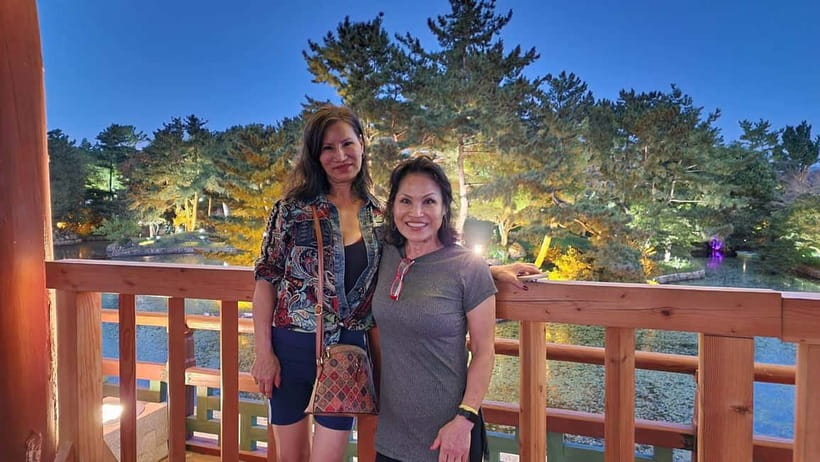
The most consistent strength is the guide, not the vehicle or the admission arrangement. English-speaking guides including Jason, Joy, Mia, Daisy, Larry, Gina, Willow, and others have been praised for clear explanations, friendly conversation, humor, and care with families.
Jason is repeatedly described as easy to understand, safe behind the wheel, and good at keeping the day relaxed. Joy has been praised for her passion for Gyeongju, attention to pacing, water and snacks, and help with photographs. One family even received a short movie with their pictures, a map, and music at the end of the day. That is a thoughtful extra, though it should not be treated as a guaranteed feature.
Guides have also adjusted plans for a national holiday, heavy crowds, rain, heat, and an exhausted grandmother. One tour was extended by two or three hours when the day became unusually difficult. Flexibility is a major benefit of booking privately, but extensions should be confirmed with the operator rather than assumed.
The experience includes a professionally qualified guide, air-conditioned transport, pickup and drop-off, fuel surcharge, parking, and tolls. Entrance fees are not included. The listed fees are about $2 for Daereungwon and $2 for Donggung Palace and Wolji Pond. Lunch is also separate.
Who gets the best value from this tour?
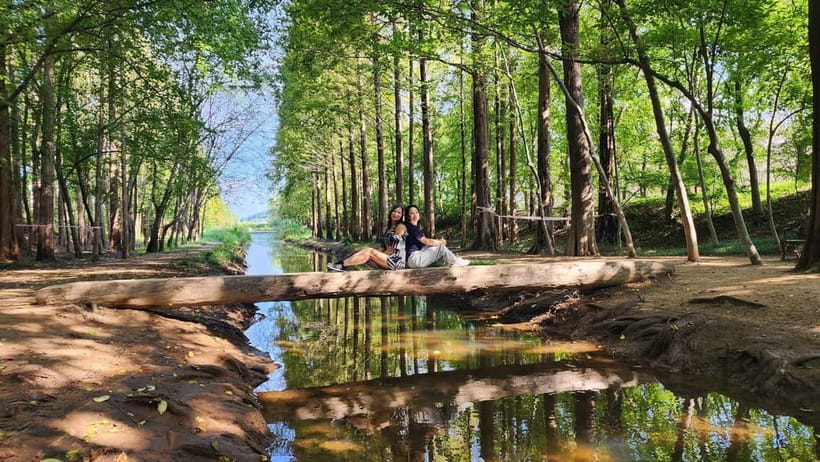
I would recommend this tour most strongly to families, groups of friends, older adults, and anyone staying in Busan who wants Gyeongju handled in one organized day. The private vehicle saves time and reduces the stress of coordinating several distant sights.
It also suits you if you want cultural explanation rather than a quick photo stop. The guides can discuss Buddhism, the Silla dynasty, Korean traditions, food, and local places to eat. That human layer is the reason this is more useful than hiring a car alone.
The tour is less ideal if you prefer to explore slowly at one or two sites. Seven planned stops, plus driving and lunch, create a full schedule. Museum lovers may want extra time indoors, while photographers may prefer a shorter day with longer stops.
Fitness is another consideration. The itinerary is adjustable, and the activity is listed as wheelchair accessible, but temple grounds, tomb areas, and outdoor paths can still require careful pacing. Tell the operator about mobility needs and preferred walking limits before the pickup.
Booking decision: is the $399 price fair?
For a group of up to seven, yes, especially if you start in Busan. A public-transport visit can cost less in cash, but it requires more planning and leaves less room for changes. Here, your guide handles the driving while you focus on the sites.
The price is harder to justify for one or two people unless convenience and expert explanation are high priorities. Add lunch and admission fees to your budget, then compare the total with your alternatives.
Choose the longest format if you want the full cultural arc from Bulguksa to Wolji Pond. Choose four hours only if you want a selective Gyeongju visit and accept that several major sites will be left out. With its strong guide service, practical transport, and flexible pacing, this is a very good choice for a first visit to Gyeongju, particularly when traveling as a small group.
FAQ
Where can the tour pick me up and drop me off?
Pickup and drop-off are available in Busan or Gyeongju, depending on the tour length and route you select.
How long is the tour?
The experience can last from four to nine hours. A Gyeongju to Gyeongju route takes about eight hours, while a Busan round trip takes about nine hours.
Can I travel from Busan to Gyeongju and return to Busan?
Yes. Busan pickup and Busan drop-off is listed as a nine-hour tour.
Can I start in Busan and finish in Gyeongju?
Yes. Busan pickup and Gyeongju drop-off is listed as an eight-hour option.
Is lunch included?
No. Lunch at Hongsi Hanjeongsik is not included in the tour price.
Which entrance fees are extra?
The listed additional admission fees are about $2 for Daereungwon and $2 for Donggung Palace and Wolji Pond.
Is the tour private?
Yes. It is a private group experience for up to seven people.
Is the tour wheelchair accessible?
Yes. The activity is listed as wheelchair accessible, and the itinerary can be adjusted around fitness and preferences.
What language does the guide speak?
The live guide language is English, and the tour is led by a professionally qualified guide.
More Gyeongju Trips
- Busan: Gyeongju Guided Day Trip to Three Kingdoms Capital
★ 4.8 · 1,925 reviews - From Busan: Gyeongju UNESCO World Heritage Guided Day Tour
★ 4.8 · 1,250 reviews - Gyeongju UNESCO World Heritage Guided Day Tour from Busan
★ 5.0 · 660 reviews - Old Korea Thousand History Tour of Gyeongju from Busan
★ 5.0 · 518 reviews
Just added around Gyeongju
- 7 Day Essential Korea Tour(Seoul, Nami, DMZ, Andong, Gyeongju, Busan_Meal Incl.)★ 5.0 · 3 reviews
- Korean UNESCO World Heritage Tour including Gyeongju, Andong and Daegu(2N3D)★ 5.0 · 3 reviews
- From Busan: Gyeongju Small Group Photo Tour & Hotel Pick-up★ 5.0 · 3 reviews
- Full Day Busan and Gyeongju Guided Tour★ 5.0 · 4 reviews
- Gyeongju private tour with an official tour guide (Unesco)★ 4.5 · 4 reviews
- UNESCO Listed Historic Sites in Gyeongju National Park★ 5.0 · 5 reviews
- Full Day Private car tour to UNESCO Gyeongju&Yangdong village★ 5.0 · 5 reviews
- From Daegu: Gyeongju UNESCO Tour 7 Highlights with Bulguksa★ 4.6 · 5 reviews
Gyeongju Heritage Tours, compared.

Gyeongju Guided Day Trip to Three Kingdoms Capital
Read our review →
Gyeongju UNESCO World Heritage Guided Day Tour
Read our review →
Gyeongju UNESCO World Heritage Guided Day Tour from Busan
Read our review →
Old Korea Thousand History Tour of Gyeongju from Busan
Read our review →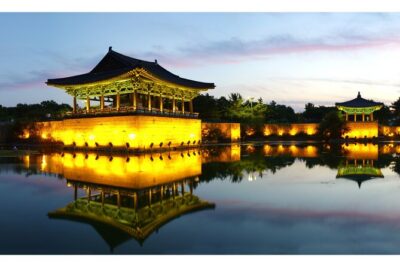
Gyeongju UNESCO sites Private tour with licensed tour guide
Read our review →
Private Gyeongju Tour – Explore Gyeongju UNESCO Sites
Read our review →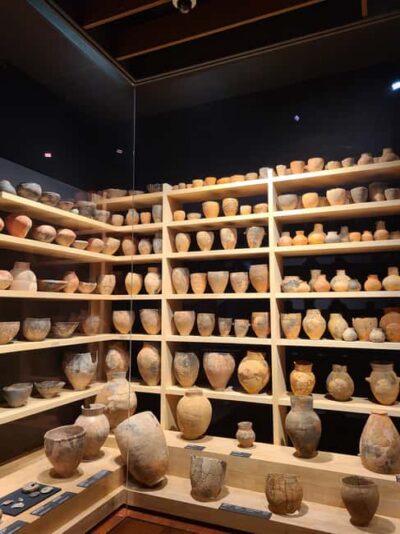
Gyeongju UNESCO Legacy Tour with National Museum
Read our review →
UNESCO Heritage Tour Including Bulguksa Temple
Read our review →Browse the lists this tour appears in