
Reviewed · GYEONGJU HERITAGE TOURS
Gyeongju UNESCO sites Private tour with licensed tour guide
Ancient Korea comes alive around Gyeongju. This private tour links Bulguksa Temple and Seokguram Grotto with royal tombs, a major museum, old village streets, and one of Korea’s prettiest reconstructed bridges. You travel in a private air-conditioned vehicle with an English or Chinese speaking licensed guide, which makes a big difference when sites are spread across the Gyeongju area. I especially like the flexible four to nine hour format and the option to begin in Busan or Gyeongju, then finish in either city.
The main drawback is pace. The full route covers a lot of ground and includes plenty of walking, while entrance fees are not included when charges apply. Still, at $186.50 per person, the tour can offer good value for families or small groups who want private transport, history explained clearly, and the freedom to adjust the day.
In This Review
- Key Points to Know Before Booking
- Why a Private Gyeongju Tour Makes Sense
- Bulguksa Temple and the Silla Style
- Seokguram Grotto in the Mountain
- Daereungwon and the Heavenly Horse Tomb
- Gyeongju National Museum and Silla Treasures
- Cheomseongdae and the Old Observatory
- Gyochon Village and the Choi Clan House
- Woljeonggyo Bridge After Sunset or in Daylight
- From Busan to Gyeongju, or the Other Way Around
- What the Guides Add
- Who Will Get the Most From This Tour
- Should You Book It?
- FAQ
- Where does the Gyeongju UNESCO sites tour begin?
- Can the tour end in a different city?
- How long does the tour last?
- Which UNESCO sites are included?
- Is transportation private?
- Is a guide included?
- Are entrance fees included?
- Can children or older adults join?
Key Points to Know Before Booking
- Two UNESCO highlights in the hills: Bulguksa Temple and Seokguram Grotto provide the artistic and religious heart of the day.
- A private vehicle saves time: You avoid piecing together transport between sites that are spread across the Gyeongju area.
- The guide shapes the experience: Guides including Jino, Joy, Sang, Cynthia, Jake, William, and CK have been praised for clear explanations, local suggestions, and flexible pacing.
- The route can fill eight hours: The advertised duration ranges from four to nine hours, depending on your chosen plan and interests.
- Families can ask for help: Past groups with babies, young children, teenagers, and older adults received adjusted pacing, car seats, stroller assistance, and extra breaks.
- Walking still matters: Even with a vehicle, temples, tombs, villages, and museum grounds require a moderate level of physical fitness.
Why a Private Gyeongju Tour Makes Sense
Gyeongju was the capital of the Silla Kingdom from 57 BC to AD 935. Its important sites are not gathered in one compact historic center. Buddhist temples sit in the foothills, royal tombs occupy open city parks, and museums and village lanes fill in the story between them.
That geography is the strongest reason to consider this tour. A private car lets you move between very different places without spending your day figuring out buses, taxi transfers, and directions. You also get a guide who can connect a stone pagoda, a burial mound, a royal bell, and a village house into one clear story.
The private format is useful for more than comfort. You can slow down at Bulguksa, spend less time at a stop that does not interest you, or ask for a lunch suggestion. Families used the flexible setup for snack stops, bathroom breaks, stroller help, and child car seats. Groups with older adults adjusted the amount of walking.
At $186.50 per person, the price deserves a close look. For one or two people, it is a substantial day-trip expense. For a larger group, the private vehicle and guide may compare well with arranging several taxis, admission costs, and separate transport from Busan. The value is strongest if you are short on time or want detailed explanations rather than a simple ride between sights.
More Private Tours in Gyeongju
- Private Gyeongju Tour – Explore Gyeongju UNESCO Sites
★ 5.0 · 272 reviews - Gyeongju: Private Car Tour with a Licensed Tour Guide
★ 5.0 · 85 reviews - Full day Private Gyeongju UNESCO Heritage Tour : a glimpse into Silla
★ 5.0 · 60 reviews
Bulguksa Temple and the Silla Style
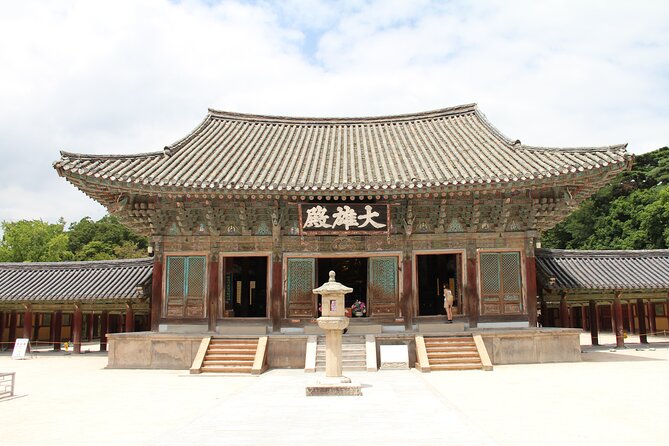
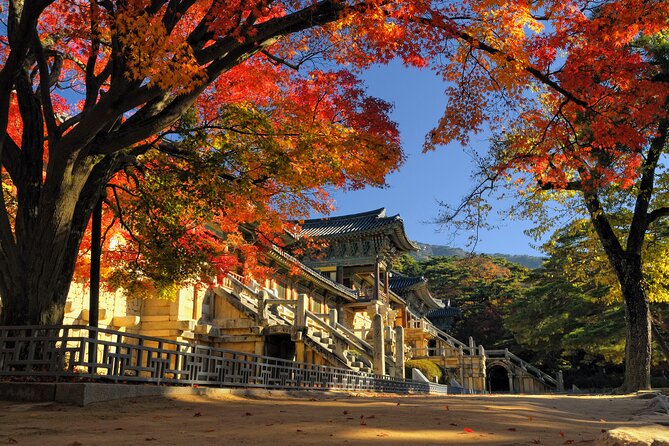
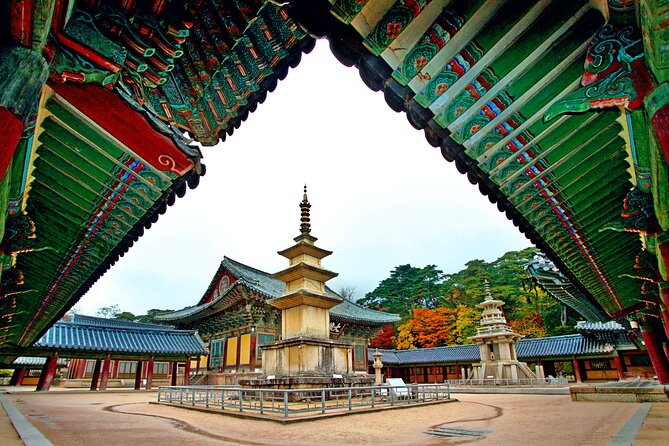
Bulguksa Temple is usually the emotional center of the tour. Built in the eighth century, it presents Silla Buddhist architecture through stone terraces, pagodas, wooden halls, and carefully arranged courtyards. The site feels both grand and calm, with the mountain setting adding to the sense of distance from modern Korea.
Give yourself time to look closely. The stonework is not just decoration. It reflects the skill and religious ideas of the Silla period, and a guide can point out what you might otherwise pass without noticing. This is one place where live explanation adds real value.
The scheduled visit is about one hour, though the private format may let you adjust that. An hour gives you a useful introduction, but photography, steps, and a slower look at the halls can easily extend the visit. Wear shoes that are comfortable for walking and uneven surfaces.
Admission is listed as free for this experience, but the general terms say entrance fees are not included when applicable. Confirm the current arrangements before departure, especially if policies change or another paid area is added.
Seokguram Grotto in the Mountain
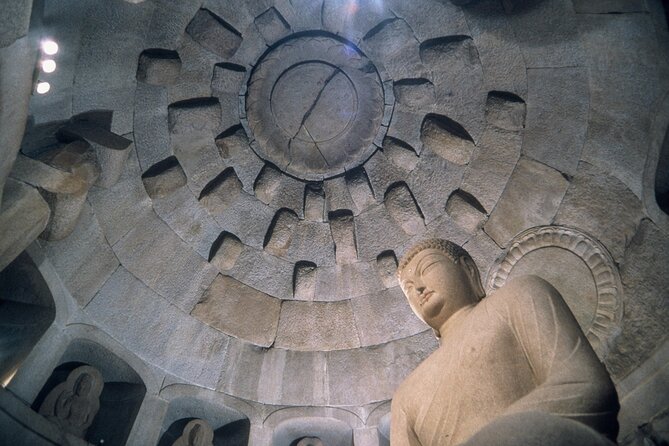
A short drive from Bulguksa brings you to Seokguram Grotto, another UNESCO site connected with Silla Buddhist art. The grotto contains a serene granite Buddha and dates from the eighth century. Its location in the mountains gives this stop a quieter mood than the temple below.
The planned visit is about 40 minutes. That is enough for a focused visit, but you should not expect a long independent wander. The approach and the site itself require walking, so this stop may feel demanding for anyone with limited mobility.
The grotto is especially worthwhile if you care about sculpture, engineering, and religious art. Bulguksa shows how Silla builders worked with stone and timber in a broad temple complex. Seokguram narrows the focus to a single powerful interior setting. Together, the two sites explain why Gyeongju is such an important stop for ancient Korean culture.
Daereungwon and the Heavenly Horse Tomb
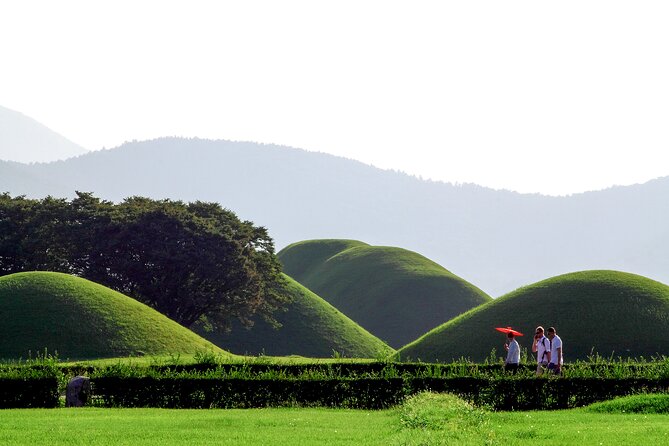
Back in the city, Daereungwon Tomb Complex changes the mood completely. Instead of temple courtyards and mountain roads, you walk among large grassy burial mounds built for Silla royalty and elite figures. The rounded tombs are easy to recognize, but their size can be hard to understand until you see them up close.
The planned stop lasts about 40 minutes. The most famous mound is Cheonmachong, or Heavenly Horse Tomb, which was excavated and opened to show how a Silla royal burial worked. Artifacts found in tombs include gold crowns and other objects that reveal the wealth and craft of the kingdom.
Admission to Daereungwon is not included, so budget for it. The grounds are open and visually simple, but the guide’s explanation gives the place its weight. Without context, you may see a series of grassy hills. With context, you begin to read them as royal monuments and evidence of a society organized around ceremony, rank, and belief.
More Gyeongju trips:
- Busan: Gyeongju Guided Day Trip to Three Kingdoms Capital
★ 4.8 · 1,925 reviews - From Busan: Gyeongju UNESCO World Heritage Guided Day Tour
★ 4.8 · 1,250 reviews - Gyeongju UNESCO World Heritage Guided Day Tour from Busan
★ 5.0 · 660 reviews - Old Korea Thousand History Tour of Gyeongju from Busan
★ 5.0 · 518 reviews
Gyeongju National Museum and Silla Treasures
The Gyeongju National Museum is a compact way to gather the details seen outdoors. Its collection includes more than 100,000 Silla artifacts, with golden crowns from royal tombs and a famous 20-ton bell among the major pieces.
The scheduled visit is about 40 minutes. That is enough for an overview, not a full museum study. If you enjoy archaeology, metalwork, sculpture, or ancient Korean religion, ask your guide how to use the time well. The collection could easily occupy much longer than the planned stop.
I like having the museum in the middle or later part of the day because it helps make sense of Daereungwon. You see the burial mounds first, then encounter the objects recovered from them. The sequence turns museum pieces into evidence rather than isolated displays.
Admission is listed as free. The vehicle, parking fees, tolls, and guide are included, while meals are not.
Cheomseongdae and the Old Observatory
Cheomseongdae Observatory is a brief but memorable stop in the historic center. Built during Queen Seondeok’s reign, from AD 632 to 647, it is described as the oldest surviving astronomical observatory in Asia. The stone tower is 9.17 meters tall and made from 36 layers of stone.
The observatory does not require a long visit, but it adds an important scientific side to the Silla story. Gyeongju was not only a city of kings and temples. Astronomy mattered for calendars, farming, ritual, and royal authority.
This is also a good photo stop, especially when combined with nearby historic areas. Do not expect an interior museum experience. The value comes from seeing the structure, hearing its background, and fitting it into the wider story of Silla achievement.
Gyochon Village and the Choi Clan House
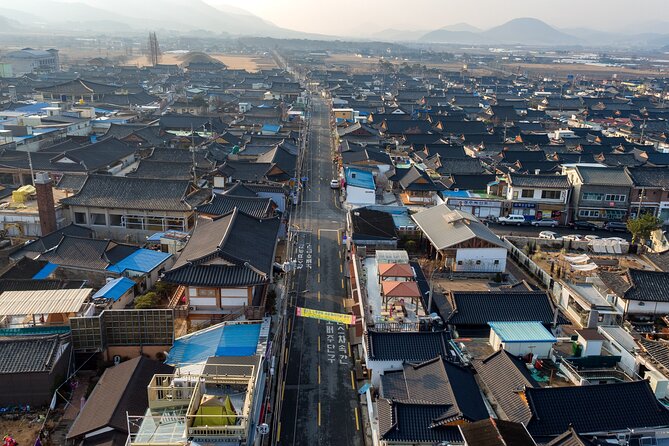
Gyeongju Gyochon Traditional Village offers a different kind of history. Here, the focus shifts from ancient royal power to a historic Korean family and traditional homes. The village is associated with the Gyeongju Choi Clan, known for a 12-generation legacy.
The planned visit is about 40 minutes. That gives you time to walk through the area and see the historic House of the Gyeongju Choi Clan. Some guides also recommend local food in or near the village, and one family described a meal there as a highlight of the day.
This stop works well for anyone who wants more than temples and excavated objects. It shows how Korean heritage continued through family customs, homes, food, and local identity. The village may be less dramatic than Bulguksa, but it gives the day a more human scale.
Woljeonggyo Bridge After Sunset or in Daylight
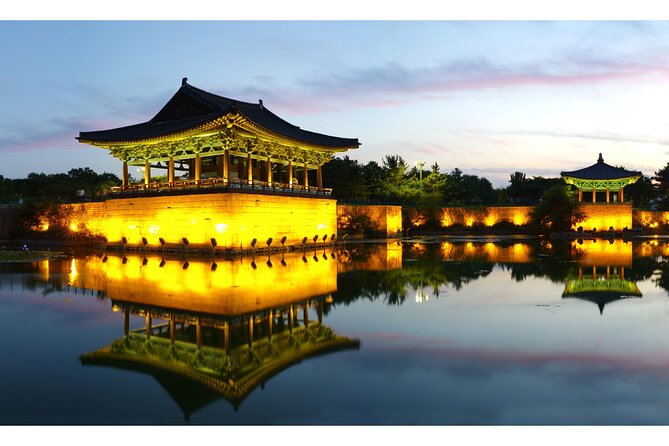
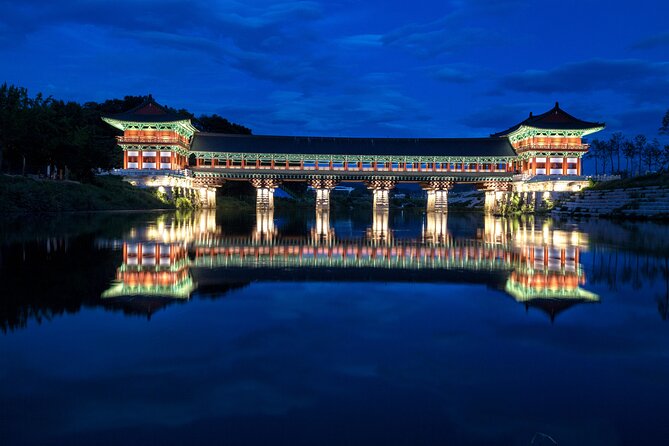
Woljeonggyo Bridge is a reconstructed wooden bridge that recalls a structure first built in AD 760 during the Unified Silla period. The original bridge was destroyed during the Joseon dynasty, and reconstruction took place from 2008 to 2018.
The planned visit is about 20 minutes, making this the shortest stop. It is a good place for photographs and a quick look at how modern Korea has rebuilt and presented an ancient landmark. The bridge’s wooden form contrasts nicely with the stone temples and earth-covered tombs earlier in the day.
The exact mood will depend on your timing. The tour information does not promise a particular lighting schedule, so ask your guide whether the bridge fits better during daylight or later in the route. If you are choosing a shorter four-hour plan, this may be one of the stops that gets reduced or skipped.
From Busan to Gyeongju, or the Other Way Around
Pickup is available from Busan or Gyeongju, and you can choose a round trip or one-way route. That makes the tour useful as part of a larger South Korea itinerary rather than just a day excursion.
Several groups used the one-way option with luggage. A guide picked up a group in Busan, toured Gyeongju, and dropped them at accommodation in Gyeongju. Another group toured all day before continuing to Busan. This can save you from returning to your starting city simply because your sightseeing vehicle requires it.
The drive from Busan to Gyeongju takes about an hour, based on the experience described by one family. A private vehicle makes that transfer more comfortable, especially with children or luggage. One guide also stopped at a rest area so a family could buy snacks and coffee.
The included parking fees and tolls remove some small but annoying costs. Meals are not included, but guides can suggest restaurants. Several groups appreciated local food recommendations, including a traditional meal near the Choi family house.
What the Guides Add
The strongest part of this experience is the guide. The guide names associated with especially warm feedback include Jino, Joy, Sang, Cynthia, Jake, William, CK, Lily, Finn, and Soo-Hyeon Kim. You are not guaranteed a particular person unless the booking confirms it, but the repeated praise points to the role the guide plays in the day.
Jino was praised for explaining significance without overloading the group, adjusting the route, helping with photographs, and suggesting restaurants. Joy handled a group of eight with a larger vehicle and helped make the route easy from the Gyeongju bus terminal to an accommodation. Sang received praise for working well with teenagers, helping families with small children, and offering good café and dinner suggestions.
English ability was repeatedly described as strong for several guides, and Chinese-language guiding is also offered. Good guides do more than recite dates. They explain how the Silla period connects the temples, tombs, museum objects, and observatory, then add practical help with photos, food, timing, and transport.
Who Will Get the Most From This Tour
This is a strong choice if you have one day for Gyeongju and want to see its major historic sights without managing the transport yourself. It suits couples, families, multigenerational groups, and small parties who prefer a private pace.
Families with young children have a clear reason to consider it. The private setting allows extra breaks and slower movement, and one family received an infant car seat and a child safety seat. The guide also helped carry a stroller over steps and found snacks for a child.
You should be comfortable with moderate physical activity. There is walking at nearly every stop, and Seokguram and Bulguksa can be more demanding than the city sites. If mobility is a concern, tell the provider in advance and ask the guide to limit walking where possible. A private vehicle helps, but it cannot remove every stair, path, or uneven surface.
The four-hour option is better for a quick introduction or for people already staying in Gyeongju. The longer plan is the better choice if you want the full combination of UNESCO sites, tombs, museum, observatory, village, and bridge.
Should You Book It?
I would book this tour if you want Gyeongju explained, not simply photographed. Its best qualities are the private vehicle, flexible route, one-way transport option, and guides who can adapt to families, older adults, and changing interests.
I would pause only if you prefer independent wandering or have a tight budget for a small party. The $186.50 per-person price is easier to justify for a group, a Busan to Gyeongju transfer, or a full day with a guide. Confirm which admission charges apply, allow extra time for walking, and tell the provider about children, luggage, or mobility needs.
For a first visit to Gyeongju, this is an efficient and unusually personal way to connect temples, tombs, science, art, and living tradition in one day.
FAQ
Where does the Gyeongju UNESCO sites tour begin?
Pickup is offered from Busan or Gyeongju.
Can the tour end in a different city?
Yes. You can choose a round-trip or one-way tour, making it possible to begin in Busan and finish in Gyeongju, or use another confirmed route option.
How long does the tour last?
The experience lasts approximately four to nine hours, depending on the plan selected.
Which UNESCO sites are included?
The route includes Bulguksa Temple and Seokguram Grotto, both UNESCO World Heritage sites in the Gyeongju area.
Is transportation private?
Yes. The tour includes private transportation in an air-conditioned vehicle.
Is a guide included?
Yes. An English or Chinese speaking licensed tour guide is included.
Are entrance fees included?
Entrance fees are not included when applicable. Several listed stops have free admission, while Daereungwon Tomb Complex is specifically noted as not included.
Can children or older adults join?
Yes, but a moderate level of physical fitness is recommended. The private format allows pacing adjustments, and past arrangements included child car seats, stroller help, and support for older adults.
Just added around Gyeongju
- 7 Day Essential Korea Tour(Seoul, Nami, DMZ, Andong, Gyeongju, Busan_Meal Incl.)★ 5.0 · 3 reviews
- Korean UNESCO World Heritage Tour including Gyeongju, Andong and Daegu(2N3D)★ 5.0 · 3 reviews
- From Busan: Gyeongju Small Group Photo Tour & Hotel Pick-up★ 5.0 · 3 reviews
- Full Day Busan and Gyeongju Guided Tour★ 5.0 · 4 reviews
- Gyeongju private tour with an official tour guide (Unesco)★ 4.5 · 4 reviews
- UNESCO Listed Historic Sites in Gyeongju National Park★ 5.0 · 5 reviews
- Full Day Private car tour to UNESCO Gyeongju&Yangdong village★ 5.0 · 5 reviews
- From Daegu: Gyeongju UNESCO Tour 7 Highlights with Bulguksa★ 4.6 · 5 reviews
Gyeongju Heritage Tours, compared.

Gyeongju Guided Day Trip to Three Kingdoms Capital
Read our review →
Gyeongju UNESCO World Heritage Guided Day Tour
Read our review →
Gyeongju UNESCO World Heritage Guided Day Tour from Busan
Read our review →
Old Korea Thousand History Tour of Gyeongju from Busan
Read our review →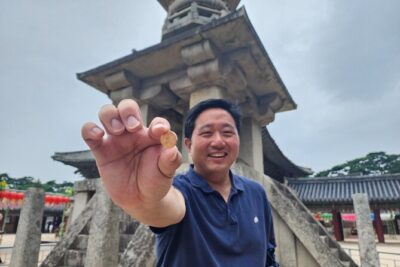
Private Gyeongju Tour – Explore Gyeongju UNESCO Sites
Read our review →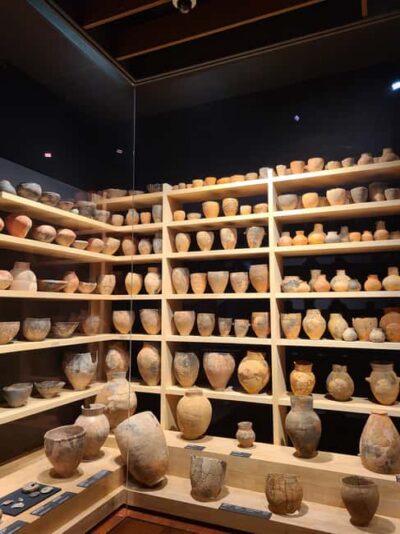
Gyeongju UNESCO Legacy Tour with National Museum
Read our review →
UNESCO Heritage Tour Including Bulguksa Temple
Read our review →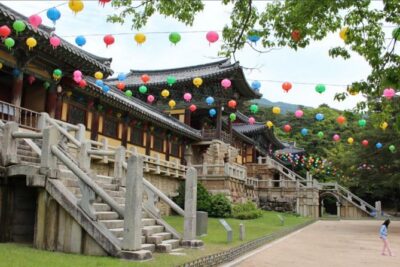
Gyeongju UNESCO World Heritage Sites and History Full-Day Tour with Lunch
Read our review →Browse the lists this tour appears in