
Reviewed · COOKING CLASSES
Korean Cooking Class Full Meal with BBQ on an All in One Table
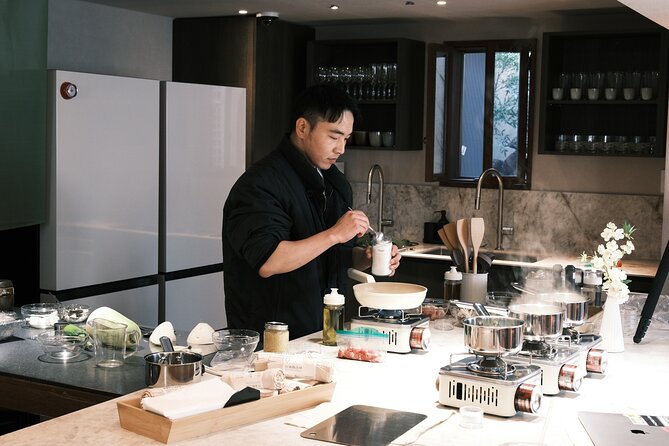
Korean cooking is best shared at one table. This three-hour Seoul class turns a meal into the main event, with you preparing four side dishes, bibimbap, soup or stew, and a dessert in a calm studio inspired by traditional Hanok architecture. I like the focus on a complete Korean table rather than one showpiece dish, and I like that the chef uses seasonal vegetables and fermented pastes such as doenjang and gochujang.
The small maximum of eight people should keep the instruction personal, and Woody, the host named in the feedback, contacts participants to confirm dinner choices and timing. The main consideration is that the class costs $89 per person and requires hands-on cooking, so it suits people who want to work for their meal rather than simply sit down and eat. The chef handles the grilled pork belly, but you prepare nearly everything else.
In This Review
- Key points at a glance
- Why this class feels different from a food tour
- Arriving at Soop Table in Mapo-gu
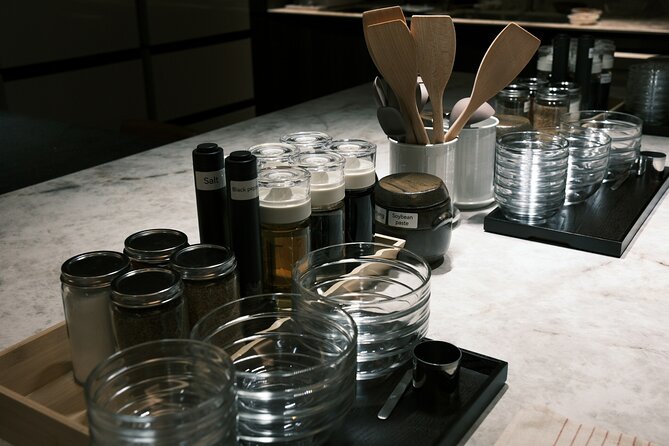
- Starting with tea and the Korean pantry
- Making four banchan from fresh vegetables
- Choosing a main dish and soup or stew
- Plating bibimbap in your own style
- Eating the meal with pork belly BBQ
- Finishing with a Korean dessert
- What the $89 price includes in real value
- Who will enjoy this Korean cooking class most
- Booking, cancellation, and practical details
- Should you book Soop Table?
- FAQ
- Where does the Korean cooking class take place?
- How long does the class last?
- How much does the class cost?
- How many people can join the class?
- What food will I prepare?
- Is the BBQ cooked by participants?
- Does the class include a market tour?
- Can I cancel for a full refund?
Key points at a glance
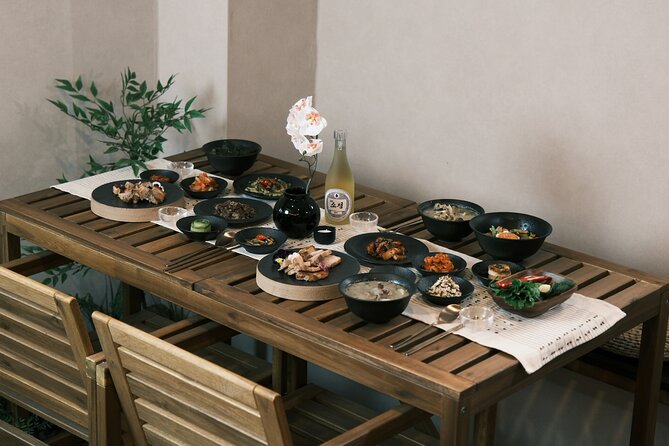
- A full Korean table: Prepare four banchan, bibimbap, soup or stew, a main dish, and dessert instead of learning only one recipe.
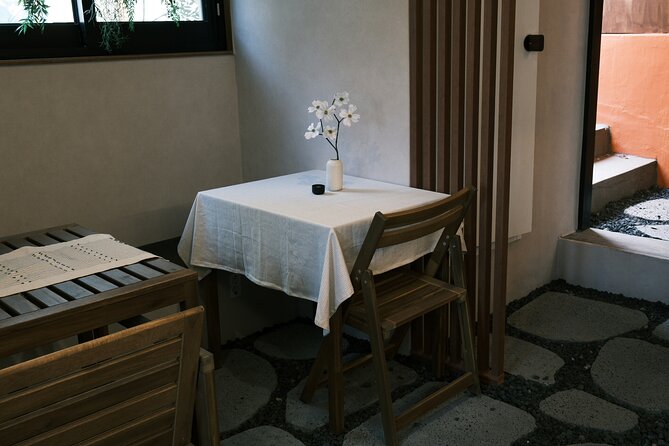
- Hanok-inspired setting: The class takes place in a distinctive studio with a calm atmosphere and details such as a lava and slate walkway.
- Seasonal Korean ingredients: Learn how fresh vegetables, doenjang, gochujang, and other ingredients fit into Korean home cooking.
- Small group size: The class accepts a maximum of eight participants, which matters when you need help with several dishes.
- Chef-served BBQ: Grilled pork belly and a taste of traditional liquor accompany the meal, but the BBQ is the one part you do not cook yourself.
- Central Seoul meeting point: Soop Table: The Hansik Atelier is at 34 Donggyo-ro 46-gil, Mapo-gu, near public transportation.
Why this class feels different from a food tour
This is not a market walk with tastings along the way. It is a cooking session built around the way Korean meals are commonly served: several dishes arrive together, with rice, soup, side dishes, and a main dish sharing the table.
That distinction matters. A short demonstration can leave you with a pleasant memory and a recipe card. Here, you spend the time chopping, mixing, seasoning, plating, and tasting. You get a better sense of how Korean food works as a group of dishes rather than as a single main course.
I especially like the idea of learning a full table setting. Banchan are often treated as small extras by visitors, but they help define the meal. Making four kinds of side dishes gives you a look at different textures, colors, and seasoning styles. You are not just adding decoration around the main dish. You are building the meal’s balance.
The class also avoids pretending that every Korean kitchen uses the same ingredients year-round. Seasonal vegetables and fermented pastes are part of the teaching. Some of those pastes come from the chef’s hometown, adding a personal link to the food without turning the class into a staged cultural performance.
More Cooking Classes in Seoul
- Local Home Korean Cooking Class & Market Adventure in Seoul
★ 5.0 · 1,024 reviews - Master Korean traditional cooking with a Kimchi chef
★ 5.0 · 385 reviews - Seoul: Korean Cooking Class at a Local Home and Market Tour
★ 5.0 · 348 reviews
Arriving at Soop Table in Mapo-gu
You meet at Soop Table: The Hansik Atelier, located at 34 Donggyo-ro 46-gil, Mapo-gu, Seoul. The meeting point is near public transportation, which makes it practical to reach without arranging a private transfer.
The activity begins and ends at the same location. That is helpful when you are planning the rest of your day, especially if you book a lunchtime class and want to continue sightseeing afterward, or choose dinner and prefer to return directly to your accommodation after eating.
The space itself is part of the appeal. It is inspired by traditional Hanok architecture, and the atmosphere has been described as especially pleasant. Woody’s studio includes distinctive features such as a lava and slate walkway, so you can expect something more considered than a plain commercial kitchen.
Still, this is a working cooking space. You should arrive ready to handle ingredients and follow instructions rather than expect a restaurant dining room. The calm setting is useful because you will be moving between several dishes, and a crowded or noisy room would make that harder.
Starting with tea and the Korean pantry
The session begins with a seasonal Korean welcome tea. This is a small touch, but it sets the pace. You are given a moment to settle in before the practical work begins.
The early instruction covers essential Korean sauces and ingredients, including doenjang and gochujang. Doenjang is a fermented soybean paste with a savory, earthy character. Gochujang brings chili heat, sweetness, and fermentation. Understanding the role of these pastes is more useful than memorizing a list of ingredients, because they appear in many Korean dishes in different proportions.
The class connects these ingredients with nature and the seasons. That can help explain why Korean home cooking often feels varied even when it uses familiar pantry staples. Fresh vegetables change, seasoning is adjusted, and the final table gains contrast from several modest dishes.
I would pay close attention here, especially if you cook at home. The most useful lesson may not be a particular recipe, but learning how Korean cooks layer fermented, salty, sweet, spicy, and fresh flavors without making every dish taste the same.
Making four banchan from fresh vegetables
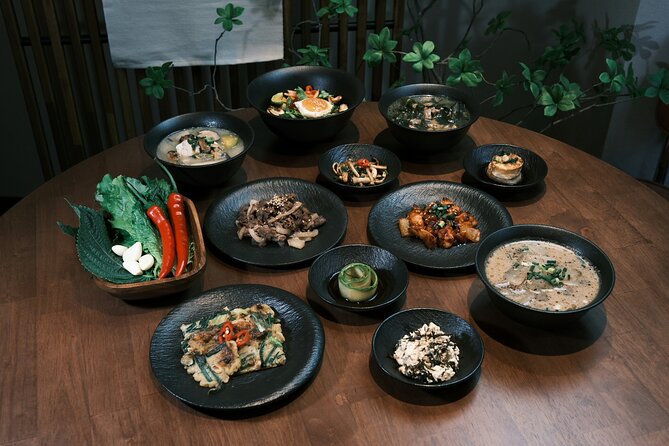
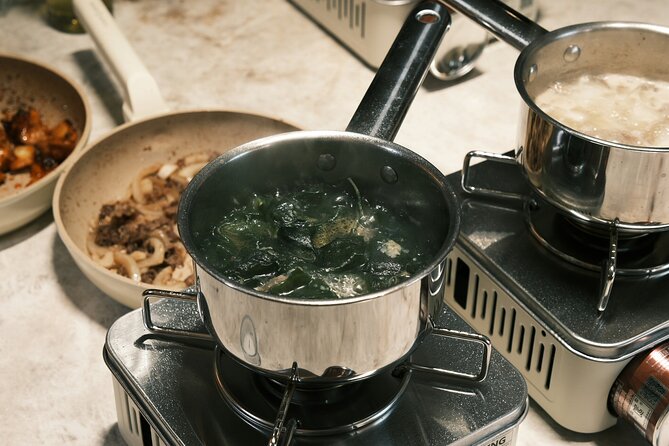
Next, you prepare four Korean side dishes using fresh vegetables. This is likely the busiest part of the class, since several banchan need to be ready for the same meal.
The value is in the comparison. Four side dishes let you see how different preparation methods change an ingredient. One may emphasize a clean vegetable flavor, while another uses a stronger seasoning or a contrasting texture. The supplied information does not specify the exact four dishes, so the selection may depend on the season and the class menu.
That seasonal approach is a strength for people who want food that feels connected to Korea rather than a fixed tourist menu. It also means you should not arrive expecting to learn a specific set of four recipes every time.
The class is hands-on. You prepare the dishes yourself, with instruction from the chef. Several past participants praised Woody’s clear teaching, which is important here because Korean cooking can involve unfamiliar pastes, preparation methods, and timing.
You also learn how side dishes contribute to the appearance of the table. Korean meals are designed to be shared, and color plays a practical role. A well-plated collection of vegetables makes the meal look generous before anyone takes the first bite.
More Workshops in Seoul
- Yongpyong Ski Resort from Seoul with Optional Lesson and Packages
★ 5.0 · 217 reviews - Korean Cooking Class with Grocery Shopping at Seoul Local Market
★ 5.0 · 107 reviews - Royal Seoul Cooking Class in a 100-Year-Old Hanok
★ 5.0 · 81 reviews - Seoul : Taste of Korea, Authentic Home-Style Cooking Class
★ 5.0 · 64 reviews
Choosing a main dish and soup or stew
After the banchan, you choose one main dish and one soup or stew according to your taste. Having a choice is useful for a couple with different preferences, or for anyone who wants to avoid being locked into a dish that does not appeal.
The menu details are not fixed in the available information, so check your choices with the provider before the class. Woody has been known to reach out after booking to confirm dinner selections and timing. Responding promptly should help the kitchen prepare for your visit.
Soup or stew is not an afterthought in Korean dining. It gives the table warmth and moisture, while the banchan provide smaller tastes and the main dish brings more weight. Preparing both helps you understand why Korean meals are served as a set rather than in a strict Western sequence.
You should also expect to manage your attention. This is not a class where you watch one dish from start to finish and then move on. You will prepare multiple elements that need to come together at mealtime. The chef’s guidance and the maximum group size of eight should make that manageable, but the class still rewards curiosity and participation.
Plating bibimbap in your own style
The bibimbap portion gives you a chance to focus on presentation. You plate your own bowl, choosing how to arrange the prepared ingredients.
This may sound simple, but it is one of the most useful parts of the session. Korean food is often visually organized before it is mixed together. Color, spacing, and proportion all matter. You can make the dish neat and balanced, or give it a more personal look while keeping the classic idea intact.
The class emphasizes that your bibimbap is your dish and your style. That is a good approach for beginners. You learn a basic structure without being told that there is only one correct arrangement.
I would treat this as a practical lesson in presentation rather than a formal test. The goal is to understand how a Korean meal can look inviting before you stir it together. If you care about food photography, this is also likely to be one of the most enjoyable moments of the class.
Eating the meal with pork belly BBQ
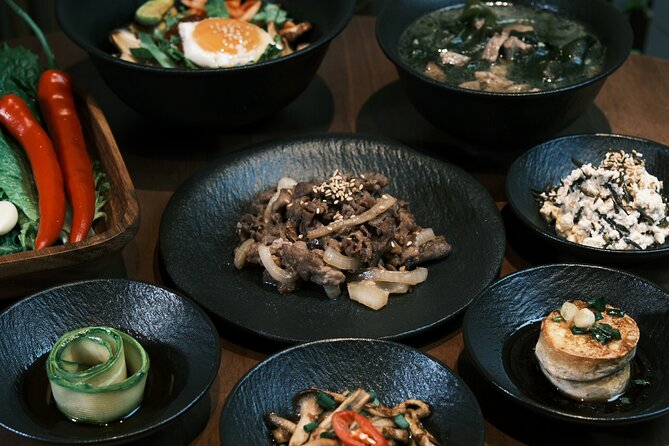
Once the table is ready, the meal comes together. The chef serves grilled pork belly, or BBQ, during the meal. This is the one major dish you do not cook yourself.
That division of labor makes sense. Grilling pork belly at the table can require equipment, timing, and attention that would pull you away from the rest of the class. You still get to enjoy BBQ as part of the meal, while your own work remains centered on the banchan, soup or stew, main dish, and bibimbap.
A taste of traditional liquor is also included. The information does not name the liquor or specify the amount, so consider it a small cultural tasting rather than a drinks-focused activity.
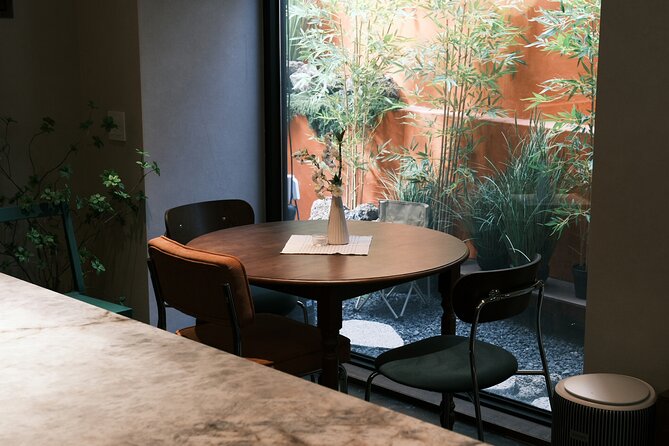
The meal is served in the Korean style, with the dishes presented together. This is where the earlier work pays off. You can taste the side dishes beside the soup, main dish, rice, and BBQ, noticing how each part changes the overall meal.
I like that the class does not treat cooking and eating as separate events. You make the food, see it arranged, and then share it at one table. That connection is more memorable than a quick demonstration followed by a standard restaurant meal.
Finishing with a Korean dessert
After eating, you make a popular Korean dessert together. The exact dessert is not specified, so the choice may relate to the class schedule or season.
This final step gives the three-hour session a proper ending. You have moved from welcome tea to savory dishes, then to BBQ and liquor, before finishing with something sweet. It also keeps the hands-on format going until the end instead of turning the last part into passive dining.
For you, the dessert may be less important than the chance to see how Korean meals handle a final course. The class is built around the whole rhythm of the table, and dessert completes that rhythm.
Because the menu can change, I would avoid booking this solely for one particular sweet. Book it for the broader lesson in Korean home cooking and the chance to prepare a complete meal.
What the $89 price includes in real value
At $89 per person, this is not the cheapest way to eat Korean food in Seoul. You can find a filling meal for far less. The price makes more sense if you value instruction, ingredients, a prepared cooking space, several dishes, BBQ, traditional liquor, and dessert within one three-hour session.
You are effectively paying for more than lunch or dinner. You receive a guided introduction to Korean sauces, seasonal produce, banchan, soup or stew, bibimbap presentation, and the structure of a full meal. The small group cap also matters. With no more than eight people, the chef has a better chance of helping you with technique and timing.
The value is strongest for couples, families with older children, and solo visitors who enjoy learning by doing. It is also useful for anyone who has eaten Korean food in restaurants but wants to understand what sits behind the table setting.
The price is harder to justify if you dislike cooking, have very limited time, or mainly want a large BBQ meal. Since you prepare most of the menu, this is not a shortcut to dinner. It is dinner plus a lesson.
Who will enjoy this Korean cooking class most
I would recommend this class to you if you want a cultural activity with a clear food focus and a small group. It suits people who like practical skills, careful plating, and a meal that unfolds through several dishes.
It is especially good for:
- Couples who want to cook and eat together.
- Visitors who want more than a restaurant meal.
- Home cooks interested in doenjang, gochujang, banchan, and bibimbap.
- Food lovers who appreciate presentation as much as flavor.
- People who prefer a calm indoor activity in Seoul.
You may want to choose another activity if you are looking for a market tour, street-food tasting, or a quick cooking demonstration. This class does not include a commercial market visit. If you want market suggestions, the host can share trusted local options, but that is separate from the class.
The three-hour length is long enough to make a proper meal without taking an entire day. Still, you should not schedule a tightly timed attraction immediately afterward. Cooking several dishes, sitting down to eat, and finishing dessert needs room in your plans.
Booking, cancellation, and practical details
Confirmation is received at booking, and the activity provides a mobile ticket. The meeting point is near public transportation, and the class returns to that same location at the end.
You can cancel for a full refund up to 24 hours before the start time. Changes or cancellations made less than 24 hours before the local start time are not accepted for a refund.
The activity can be canceled if poor weather affects operation or if the minimum number of participants is not met. In either case, you are offered another date or activity, or a full refund.
The maximum is eight people. That is a useful detail to check before booking, since the small format is part of the class’s appeal. If you have dietary preferences or want a particular main dish, contact the provider promptly, especially because dinner choices may be confirmed in advance.
Should you book Soop Table?
Book this class if you want to understand Korean food as a shared table rather than a collection of isolated dishes. The strongest reasons are the full menu, the hands-on preparation, the Hanok-inspired setting, and the chance to learn from Woody in a group capped at eight.
I would skip it if your main goal is an inexpensive meal, a market outing, or a BBQ-only session. At $89, the value comes from the work and instruction as much as the food.
For the right person, this is a satisfying Seoul activity: you arrive with curiosity, prepare nearly every part of the meal, receive chef-served pork belly, and leave with a clearer sense of how Korean home cooking fits together.
FAQ
Where does the Korean cooking class take place?
The class meets at Soop Table: The Hansik Atelier, South Korea, Seoul, Mapo-gu, Donggyo-ro 46-gil, 34 1층.
How long does the class last?
The activity lasts approximately three hours.
How much does the class cost?
The listed price is $89 per person.
How many people can join the class?
The class has a maximum of eight participants.
What food will I prepare?
You prepare four Korean side dishes, one main dish, one soup or stew, bibimbap, and a popular Korean dessert.
Is the BBQ cooked by participants?
No. The chef serves grilled pork belly BBQ during the meal. You prepare the other dishes yourself.
Does the class include a market tour?
No. This is a cooking class, not a food or market tour. The host can share suggestions for trusted local markets if you are interested.
Can I cancel for a full refund?
Yes. You can cancel at least 24 hours before the local start time for a full refund. Cancellations or changes made less than 24 hours before the start time are not refunded or accepted.
More Workshops
- K-pop Dance Class in Seoul (Incl. video shooting & editing)
★ 5.0 · 52 reviews - Traditional Korean 6-Dish Cooking Class + Hidden Alley Tour Seoul
★ 5.0 · 42 reviews - Korean Home Style Cooking Class in Gangnam Seoul
★ 5.0 · 40 reviews - Make your K-scent perfume: Modern oneday class in Seoul
★ 5.0 · 40 reviews
More Cooking Classes
- Seoul: Korean Cooking at Seoul Cooking Club!
★ 5.0 · 311 reviews - Korean Cooking at Seoul Cooking Club
★ 5.0 · 220 reviews - Experience Korean Cooking in Modern Hanok Kitchen
★ 5.0 · 118 reviews - Korean Kimchi Making Day Experience with a Local Market Tour
★ 5.0 · 99 reviews
Just added around Seoul
- Seoraksan National Park & Nami Island★ 4.5 · 3 reviews
- Strawberry Picking, Winter Sled with Eobi Ice Valley from Seoul★ 4.5 · 3 reviews
- Seoul Full Day small group Tour★ 5.0 · 3 reviews
- Majang Meat Market Experience: Private Tour with Han-woo Beef BBQ★ 5.0 · 3 reviews
- Seoul Korean BBQ Dinner Experience with Secret Food Tours★ 5.0 · 3 reviews
- Rice Wine Tasting with Sommelier – Finest Makgeolli (& Soju)★ 5.0 · 3 reviews
- Seongsu-dong Walking Tour: K-Pop, Culture, Cheer, Friends & Relax★ 4.5 · 3 reviews
- Seoul: Alpaca World and Nami Island (with Garden / Railbike)★ 5.0 · 3 reviews
Cooking Classes, compared.

Local Home Korean Cooking Class & Market Adventure in Seoul
Read our review →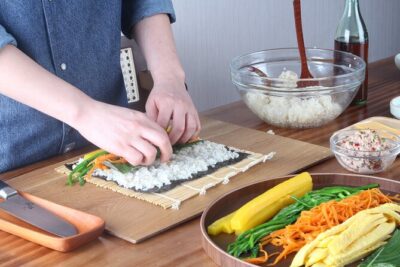
Master Korean traditional cooking with a Kimchi chef
Read our review →
Korean Cooking Class at a Local Home and Market Tour
Read our review →

Experience Korean Cooking in Modern Hanok Kitchen
Read our review →
Korean Cooking Class with Grocery Shopping at Seoul Local Market
Read our review →
Korean Kimchi Making Day Experience with a Local Market Tour
Read our review →Browse the lists this tour appears in