
Reviewed · COOKING CLASSES
Korean Grandma Cooking Class l Gimbap & Kimchi Pancake l Seoul
A meal can open a front door. This Seoul cooking class brings you into Grandma Sharon’s home for welcome tea, a look at Korean home life, and hands-on lessons in gimbap and kimchi pancakes. I like the personal setting and the chance to prepare the food yourself, rather than simply watching a chef work. I also like that the class is private, so your group gets a more relaxed visit.
The main consideration is the meeting point. The activity begins at the Meritz Fire & Marine training center at 92 Ui-dong, Gangbuk-gu, rather than at a famous central Seoul landmark. You should allow time to reach it, especially if you are staying far from northern Seoul.
In This Review
- Key Points About This Seoul Cooking Class
- Why Cooking With Grandma Feels Different
- Arriving at 11:00 am in Ui-dong
- Welcome Tea and a Look Inside a Korean Home
- Making Your Own Gimbap, One Roll at a Time
- Turning Grandma’s Kimchi Into a Pancake
- Eating Together and Sharing Stories
- Is $52 a Fair Price?
- Who Will Enjoy This Class Most?
- Practical Details Before You Book
- Should You Book the Korean Grandma Cooking Class?
- FAQ
- Where does the Korean Grandma Cooking Class begin?
- What time does the class start?
- How long does the experience last?
- What dishes will I make?
- Is the class private?
- Does the class include a visit to Grandma’s home?
- Can I cancel for a full refund?
Key Points About This Seoul Cooking Class
- Grandma Sharon teaches in her own home, giving the class a personal setting that a commercial kitchen cannot copy.
- You make two Korean dishes yourself: gimbap and kimchi pancakes using Grandma’s kimchi.
- Welcome tea and a home tour come first, helping you understand everyday Korean living spaces before cooking begins.
- The class lasts about two and a half hours, with time for cooking, eating, conversation, and a photo with Grandma.
- Families can do well here: children aged 9 and 11 particularly enjoyed the class, and Grandma Sharon was praised for her patience.
- The $52 price is strongest for private groups, since only your party participates and the meal is part of the visit.
Why Cooking With Grandma Feels Different
Seoul has no shortage of cooking classes. Many take place in polished studios built for tourists, with tidy workstations and a set routine. This one offers something less formal: you enter a Korean grandmother’s home and spend time in the setting where ordinary life happens.
That difference matters. A home tells you things a classroom often cannot. You may notice how rooms are arranged, how the kitchen functions, and how Korean family life fits into the space. Grandma also shares stories and family recipes, giving the food a human connection rather than treating it as a list of ingredients.
The setting is especially useful if you want more than a recipe. You are not simply learning how to roll rice in seaweed. You are getting a small window into how Seoul residents live at home.
Still, keep your expectations realistic. This is a warm, personal activity, not a full survey of Korean cuisine. The cooking centers on two dishes, so you will not prepare a large menu or sample every regional style of food.
More Cooking Classes in Seoul
- Local Home Korean Cooking Class & Market Adventure in Seoul
★ 5.0 · 1,024 reviews - Master Korean traditional cooking with a Kimchi chef
★ 5.0 · 385 reviews - Seoul: Korean Cooking Class at a Local Home and Market Tour
★ 5.0 · 348 reviews
Arriving at 11:00 am in Ui-dong
The class starts at 11:00 am at the Meritz Fire & Marine training center, 92 Ui-dong, Gangbuk-gu, Seoul. The activity ends back at the same meeting point.
The listing describes the area as being near public transportation, which helps, but it does not provide a detailed route or subway exit. I would check the exact location on your map app before leaving your hotel. The meeting point is worth treating as a practical part of the booking, not an afterthought.
Ui-dong is in Gangbuk-gu, north of Seoul’s most visited central districts. If you are based around Myeongdong, Insadong, Hongdae, or Gangnam, the journey may take longer than you expect. Plan a comfortable margin so you arrive ready to cook rather than rushing in at 11:00.
Once your group meets, you proceed to Grandma’s home. The experience is private, which means only your party takes part. That setup suits families and small groups who prefer to ask questions freely and work at their own pace.
Welcome Tea and a Look Inside a Korean Home
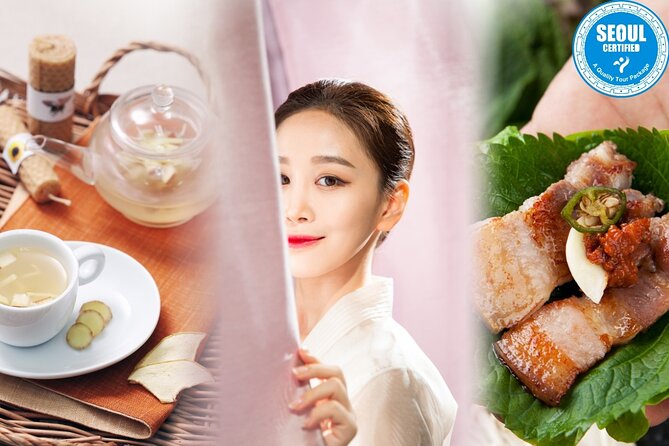
The visit begins with welcome tea. It is a simple start, but it gives everyone time to settle in, meet Grandma Sharon, and get comfortable with the other people in your group.
This first pause also sets the tone. The class is not designed as a quick food demonstration where you hurry from one station to the next. Conversation is part of the activity. You can share your own stories while learning about the home and the person teaching you.
Grandma then shows you around her house. You can expect an introduction to Korean living spaces, traditional kitchen arrangements, and possibly family items. The exact contents of the tour are not specified, so I would view this as a chance to see everyday details rather than a formal museum-style presentation.
For me, this is one of the most useful parts of the visit. Food is easier to understand when you see the place and routines connected to it. The home tour gives context before you start handling ingredients.
It also makes the class a good choice for families. Children can see that culture is not just a palace, costume, or monument. It can be a kitchen, a family table, and a cup of tea offered to a visitor.
Making Your Own Gimbap, One Roll at a Time

Gimbap is the first main cooking activity. Grandma teaches you how to make it in a Korean style, then you prepare your own roll.
The attraction here is hands-on practice. You are not handed a finished plate and told how it was made. You get to take part in the process and see how the ingredients come together. That makes the meal easier to remember, and it gives you a useful skill to try again after your Seoul trip.
Gimbap also works well for mixed-age groups. The steps are practical and visual, so children can take part with guidance. A family review specifically praised Grandma Sharon’s patience and said that two children, ages 9 and 11, called the class their favorite experience. That is strong evidence that the teaching style can work for younger cooks.
Do not expect restaurant-level perfection on your first attempt. Your roll may be loose, uneven, or larger at one end. That is part of the fun, and a patient teacher matters more than a perfect shape.
The information provided does not list the exact fillings or explain how much cooking is done before you arrive. If you have allergies or strict dietary needs, ask about ingredients when you book or before the class begins. The supplied details confirm gimbap as a featured dish, but they do not promise substitutions.
More Workshops in Seoul
- Yongpyong Ski Resort from Seoul with Optional Lesson and Packages
★ 5.0 · 217 reviews - Korean Cooking Class with Grocery Shopping at Seoul Local Market
★ 5.0 · 107 reviews - Royal Seoul Cooking Class in a 100-Year-Old Hanok
★ 5.0 · 81 reviews - Seoul : Taste of Korea, Authentic Home-Style Cooking Class
★ 5.0 · 64 reviews
Turning Grandma’s Kimchi Into a Pancake
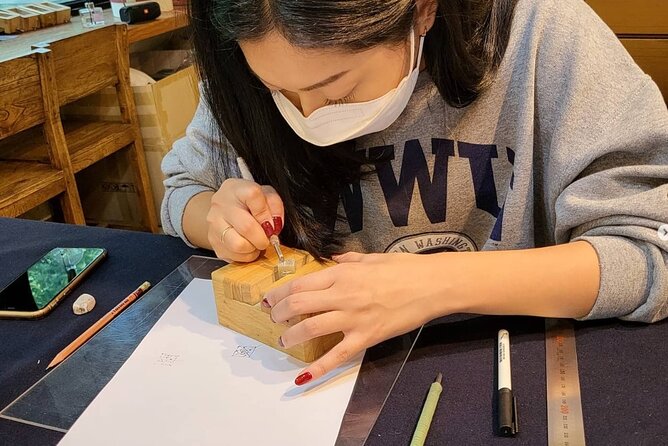
The second dish is a kimchi pancake made with Grandma’s own kimchi. This gives you a direct taste of a family-style ingredient before using it in the cooking.
Kimchi pancakes are a smart choice for a short class. The dish connects a familiar Korean staple with a simple preparation, and you get both tasting and cooking in one activity. You can try the kimchi on its own, then see how its flavor changes in the pancake.
The class description says you make the pancake yourself, rather than only watching Grandma cook it. That makes the two dishes feel distinct: gimbap teaches you a careful assembly technique, while the pancake gives you a more direct cooking task.
Again, the details stop short of promising a full recipe sheet, specific spice levels, or a choice of kimchi varieties. If you are sensitive to heat, ask Grandma about the kimchi before you begin. Kimchi can vary from mild to quite spicy, and the exact level here is not stated.
I like the balance of the menu. Gimbap is neat and methodical. The kimchi pancake is more rustic. Together, the dishes give you two different ways to work with Korean ingredients without making the class too long or too demanding.
Eating Together and Sharing Stories
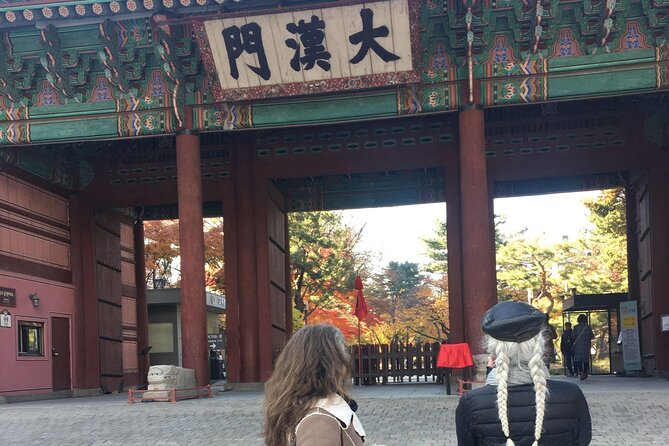
After the cooking, you sit down and eat what you made. This shared meal is more than a reward for finishing the recipes. It gives the class a natural ending and lets you talk with Grandma and the people in your group.
You also have a chance to take a picture with Grandma Sharon. That small detail matters because the visit is built around meeting a person, not just attending an activity. A photo can preserve the memory of the home visit and the meal you prepared together.
The conversation is likely to be one of the most personal parts of the experience. Grandma’s stories and family recipes are central to the class, and the published feedback describes her as patient and skilled. Her English was also described as good, which should make basic instruction and conversation easier for English-speaking participants.
That said, language ability can never guarantee a long or detailed discussion on every subject. If you want to ask about a specific part of Korean culture, keep your questions clear and simple. The strongest experience will come from treating the visit as a friendly exchange rather than expecting a formal lecture.
Is $52 a Fair Price?
At $52 per person, this is not the cheapest way to eat Korean food in Seoul. You could buy gimbap and a kimchi pancake for far less at a local restaurant.
The value comes from what surrounds the food. Your fee includes about two and a half hours with Grandma, a home visit, welcome tea, instruction for two dishes, the meal you prepare, conversation, and a private group format. You are paying for time, access, and personal attention as much as for lunch.
The private format improves the value for families, couples, and small groups. You do not have to keep up with a large class or compete for the teacher’s attention. Children can ask questions, make mistakes, and receive help without feeling lost in a crowd.
For a solo visitor, the price may feel harder to justify if the class is not shared with other participants. The activity is listed as private, so the cost does not appear to drop because of a larger public group. I would be most likely to recommend it to a group that values personal contact and wants an activity everyone can do together.
The price also supports a local, personal approach to tourism. Instead of sending your money only through a large cooking school, you are taking part in an experience built around one person, one home, and family food traditions.
Who Will Enjoy This Class Most?
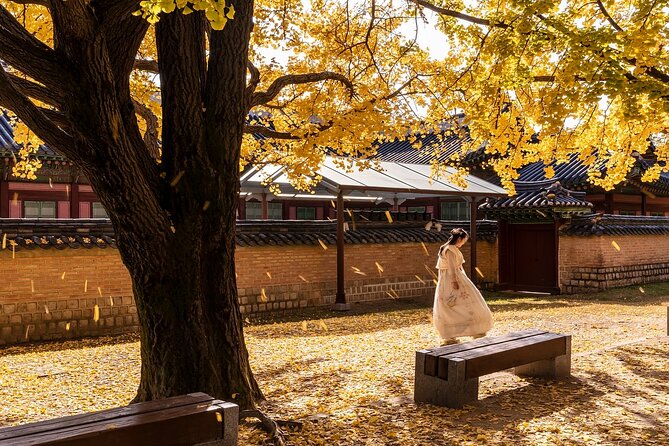
I would put families near the top of the list. The confirmed feedback from a family with children aged 9 and 11 is especially helpful. Grandma Sharon’s patience and good English made the class accessible, and the children reportedly enjoyed it more than other activities on their trip.
Small private groups are another good match. Friends or relatives can cook together, share the meal, and take a group photo without strangers at the table.
It also suits visitors who want a cultural activity with a gentle pace. You get food, conversation, and a home visit in one package. If you have already seen Seoul’s major sights, this offers a more personal change of rhythm.
I would be less likely to suggest it if you want advanced culinary training, a wide range of dishes, or a professional kitchen setup. The appeal is contact with Grandma Sharon and the home setting, not technical restaurant instruction.
It may also be less convenient for a packed sightseeing day. The class begins at 11:00 am and lasts around two and a half hours, with the activity returning to the meeting point. Add transport time in both directions, and it will occupy a substantial part of your day.
Practical Details Before You Book
Confirmation arrives within 48 hours, subject to availability. Because the class requires a minimum number of participants, the provider may offer another date or experience, or issue a full refund, if that minimum is not reached.
Most people can participate, and the activity is near public transportation. No special accessibility details are provided, so you should contact the provider if you need specific assistance.
The cancellation policy is friendly: you can cancel at least 24 hours before the local start time for a full refund. Cancellations or changes made inside that 24-hour window are not refunded or accepted.
Bring a little curiosity and an appetite. You do not need to approach this as a serious cooking exam. The best reason to book is that you want to meet Grandma Sharon, learn a couple of useful Korean dishes, and enjoy the social part of the meal.
Should You Book the Korean Grandma Cooking Class?
Book this class if you value a personal home visit more than a polished cooking studio. The combination of welcome tea, a home tour, gimbap, kimchi pancakes, and a shared meal gives you a clear look at Korean family food and daily life.
I especially recommend it for families with school-age children and private groups. Grandma Sharon’s patience, teaching skill, and good English are important strengths, and the two children who loved the experience suggest that the format is genuinely family-friendly.
Think twice if you are staying far from Gangbuk-gu, have a very tight sightseeing schedule, or want advanced instruction. The meeting point requires planning, and the menu is focused rather than broad.
For the right group, $52 buys more than lunch. It buys time in a local home, personal attention, and a story to take home along with the recipe.
FAQ
Where does the Korean Grandma Cooking Class begin?
The class begins at the Meritz Fire & Marine training center, 92 Ui-dong, Gangbuk-gu, Seoul, South Korea.
What time does the class start?
The start time is 11:00 am.
How long does the experience last?
The activity lasts approximately two hours and 30 minutes.
What dishes will I make?
You will make gimbap and a kimchi pancake using Grandma’s kimchi.
Is the class private?
Yes. Only your group participates in the activity.
Does the class include a visit to Grandma’s home?
Yes. The experience includes a visit to Grandma’s house, welcome tea, and a tour of her home before the cooking begins.
Can I cancel for a full refund?
Yes. You can cancel at least 24 hours before the local start time for a full refund. Changes or cancellations made less than 24 hours before the start time are not accepted or refunded.
More Workshops
- K-pop Dance Class in Seoul (Incl. video shooting & editing)
★ 5.0 · 52 reviews - Traditional Korean 6-Dish Cooking Class + Hidden Alley Tour Seoul
★ 5.0 · 42 reviews - Korean Home Style Cooking Class in Gangnam Seoul
★ 5.0 · 40 reviews - Make your K-scent perfume: Modern oneday class in Seoul
★ 5.0 · 40 reviews
More Cooking Classes
- Seoul: Korean Cooking at Seoul Cooking Club!
★ 5.0 · 311 reviews - Korean Cooking at Seoul Cooking Club
★ 5.0 · 220 reviews - Experience Korean Cooking in Modern Hanok Kitchen
★ 5.0 · 118 reviews - Korean Kimchi Making Day Experience with a Local Market Tour
★ 5.0 · 99 reviews
Just added around Seoul
- Seoraksan National Park & Nami Island★ 4.5 · 3 reviews
- Strawberry Picking, Winter Sled with Eobi Ice Valley from Seoul★ 4.5 · 3 reviews
- Seoul Full Day small group Tour★ 5.0 · 3 reviews
- Majang Meat Market Experience: Private Tour with Han-woo Beef BBQ★ 5.0 · 3 reviews
- Seoul Korean BBQ Dinner Experience with Secret Food Tours★ 5.0 · 3 reviews
- Rice Wine Tasting with Sommelier – Finest Makgeolli (& Soju)★ 5.0 · 3 reviews
- Max Out Seoul: Must Visit City Highlights Panoramic Day Tour★ 5.0 · 3 reviews
- Seongsu-dong Walking Tour: K-Pop, Culture, Cheer, Friends & Relax★ 4.5 · 3 reviews
Cooking Classes, compared.

Local Home Korean Cooking Class & Market Adventure in Seoul
Read our review →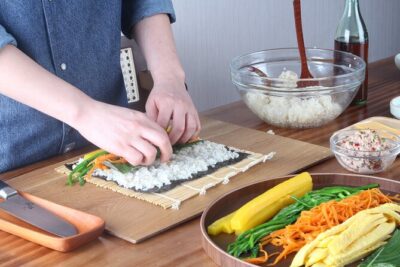
Master Korean traditional cooking with a Kimchi chef
Read our review →
Korean Cooking Class at a Local Home and Market Tour
Read our review →

Experience Korean Cooking in Modern Hanok Kitchen
Read our review →
Korean Cooking Class with Grocery Shopping at Seoul Local Market
Read our review →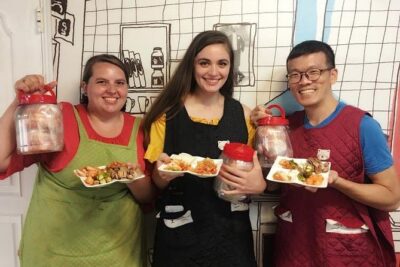
Korean Kimchi Making Day Experience with a Local Market Tour
Read our review →Browse the lists this tour appears in