
Reviewed · COOKING CLASSES
Secret Cooking Class in Seoul by Secret Food Tours
Kimchi is more than a side dish. This two-hour Seoul cooking class turns Korea’s famous fermented food into three hands-on dishes near Gyeongbokgung Palace. I like the small maximum of eight people, and I like that the class explains both kimchi traditions and how to find the ingredients in your own city. The main drawback is the short format, which gives you a taste of Korean cooking rather than a full cooking course.
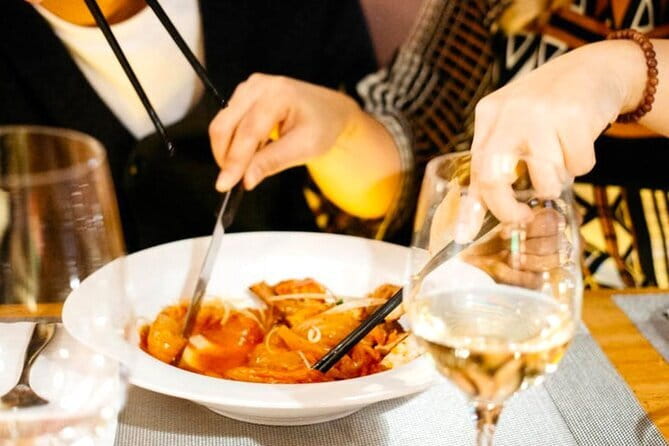
The menu also has useful range. You make a crispy kimchi pancake, a radish kimchi rice dish with bacon and egg, and a mild white kimchi noodle dish. Host Suyeon received special praise for explaining kimchi’s history, preparation, and many varieties, though the class may feel less worthwhile if you already cook Korean food often.
In This Review
- Key points at a glance
- Why kimchi makes a good Seoul cooking class
- Finding the class near Gyeongbokgung Palace
- Washing hands and learning the basics
- Kimchi-buchimgae, the crisp first dish
- Kkakdugi becomes a complete rice dish
- Baek-kimchi offers a gentler finish
- Makgeolli, soda, and the secret dish
- What the group size means at $87
- Who will enjoy this class most
- Booking, weather, and timing advice
- Should you book the Secret Cooking Class in Seoul?
- FAQ
- How long does the Seoul Secret Cooking Class last?
- Where does the cooking class meet?
- How many people can join the class?
- Which dishes will I prepare?
- Is a drink included?
- Can I cancel for a full refund?
Key points at a glance

- Three kimchi-centered dishes: Prepare cabbage kimchi pancake, radish kimchi rice with bacon and egg, and white kimchi with broth and noodles.
- Small group setting: The class accepts no more than eight people, which should allow more direct help from the chef.
- Near Gyeongbokgung Palace: The meeting point is on the third floor at 36 Jahamun-ro 7-gil in Jongno District.
- A full tasting built in: Your food includes a glass of makgeolli or a soda, plus a secret dish.
- Good for curious beginners: The chef covers ingredients, fermentation, flavor balance, and ways to find the needed products at home.
- Simple timing: The experience lasts about two hours and returns to the same meeting point.
Why kimchi makes a good Seoul cooking class
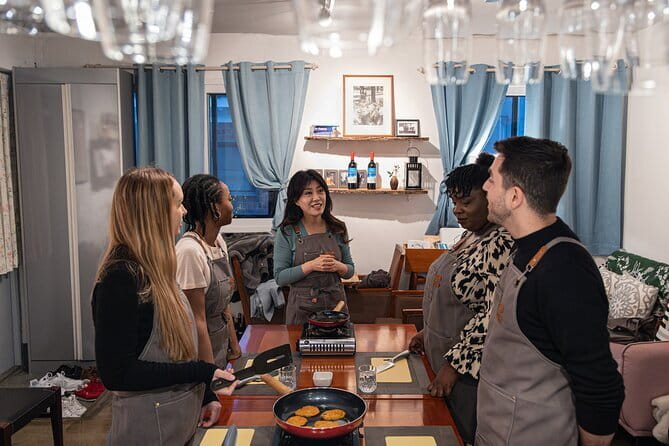
Kimchi can look simple on a restaurant table, but it carries a lot of technique. Fermentation, seasoning, texture, and balance all matter. This class uses kimchi as the thread running through a complete meal, so you learn more than one recipe.
I like that the focus is not only on cabbage kimchi. The menu shows three different sides of the tradition. You work with fermented cabbage, crunchy radish, and non-spicy white kimchi. That gives you a clearer sense of how broad Korean kimchi culture can be.
The class also covers how to find local ingredients in your own city. That is a practical touch. You may not return home with every Korean product available, but you can at least think about which ingredients are essential and which can be sourced elsewhere.
The short length keeps the class manageable. Two hours fits neatly into a day of sightseeing around Jongno, especially if you are planning to visit Gyeongbokgung Palace. The tradeoff is that fermentation itself cannot be taught from start to finish in a single sitting. You learn the method and ideas behind it, then use prepared kimchi in the cooking.
More Cooking Classes in Seoul
- Local Home Korean Cooking Class & Market Adventure in Seoul
★ 5.0 · 1,024 reviews - Master Korean traditional cooking with a Kimchi chef
★ 5.0 · 385 reviews - Seoul: Korean Cooking Class at a Local Home and Market Tour
★ 5.0 · 348 reviews
Finding the class near Gyeongbokgung Palace
The class begins at the third floor of 36 Jahamun-ro 7-gil in Seoul’s Jongno District. The meeting point is near public transportation and close to Gyeongbokgung Palace, making it easy to pair with a palace visit or another afternoon in central Seoul.
You should allow enough time to locate the exact building and reach the third floor. A food class is not the place to arrive breathless and late, especially when the group is limited to eight people. Your confirmation arrives within 48 hours of booking, subject to availability, so check the meeting details before setting out.
The activity ends where it begins. That makes the class easier to fit into your schedule than one that drops you in another neighborhood. You can continue sightseeing, return to your hotel, or make dinner plans without solving a second transportation problem.
Because the location is described as secret until the meeting arrangements, read the confirmation carefully. The address is specific, but the experience is designed to feel tucked away from the main sightseeing route.
Washing hands and learning the basics
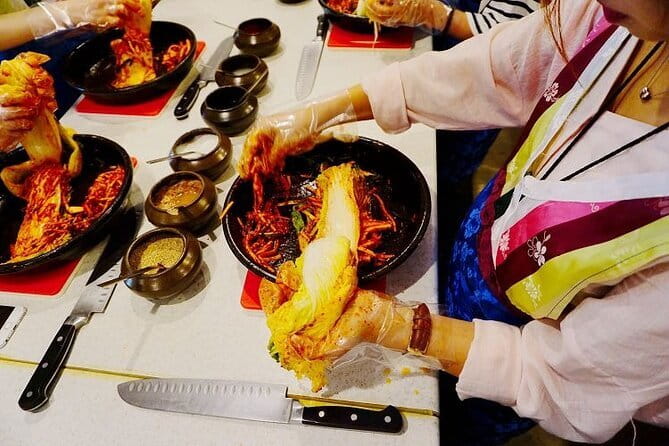
The class starts with a basic but sensible step: washing your hands and learning the skills needed to make a Korean meal. This opening matters because the food is hands-on. You are not simply watching a chef prepare a plate while standing at the edge of a kitchen.
The chef introduces local ingredients and explains how you can find them in your own city. That makes the lesson useful beyond Seoul. If you enjoy Korean food at home, this is the point where the class can become more than a holiday activity.
Kimchi is also presented as a food with stories and traditions passed from generation to generation. Suyeon, the named host praised for this part of the experience, explains how kimchi is made and how many kinds exist. That background gives the cooking more meaning without requiring you to sit through a long lecture.
Expect the balance to lean toward accessible instruction rather than professional culinary training. You get an introduction to techniques and flavor combinations, but the class lasts only about two hours. I would see it as a practical cultural lesson with dinner attached.
Kimchi-buchimgae, the crisp first dish
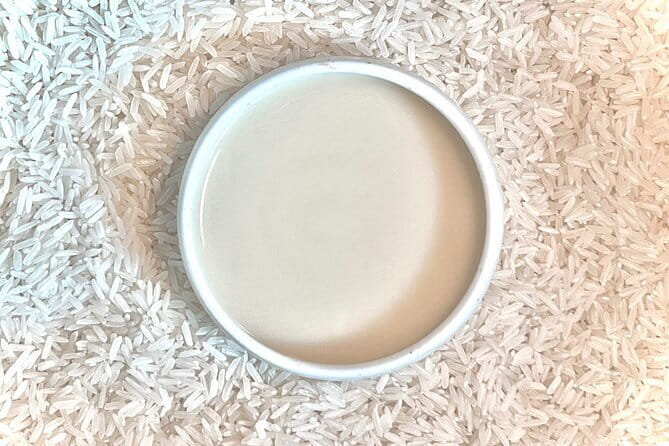
Your first dish is a cabbage kimchi pancake, known as kimchi-buchimgae. It is savory, crisp, and built around the salty, fermented flavor of cabbage kimchi.
This is a smart first recipe because it gives you an immediate result. Pancakes are familiar enough for beginners, but the kimchi changes the flavor and texture. You can see how a strong ingredient becomes part of a larger dish rather than being served alone.
The crisp edge is important. Kimchi-buchimgae works best when the outside browns while the inside stays tender. The chef can guide you through the preparation, then you eat your own pancake as part of the meal.
I like this dish for visitors who want a recipe they can remember after returning home. It does not require you to reproduce an entire fermentation process before you can cook it. The quality will still depend on the kimchi you find, but the class helps you understand how that ingredient behaves in a hot pan.
More Workshops in Seoul
- Yongpyong Ski Resort from Seoul with Optional Lesson and Packages
★ 5.0 · 217 reviews - Korean Cooking Class with Grocery Shopping at Seoul Local Market
★ 5.0 · 107 reviews - Royal Seoul Cooking Class in a 100-Year-Old Hanok
★ 5.0 · 81 reviews - Seoul : Taste of Korea, Authentic Home-Style Cooking Class
★ 5.0 · 64 reviews
Kkakdugi becomes a complete rice dish
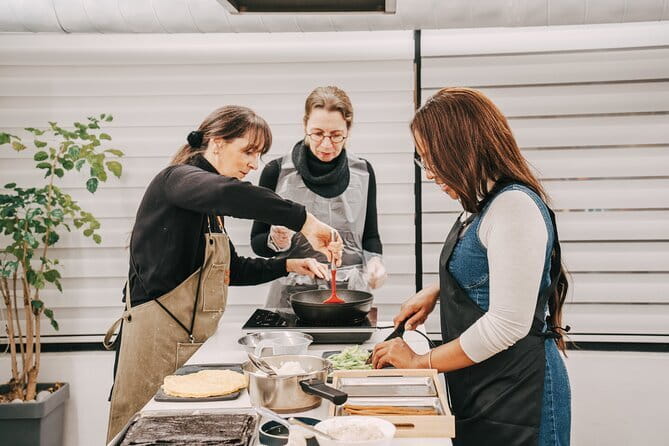
Next comes radish kimchi, or kkakdugi. This kimchi is known for its firm, crunchy cubes of radish, giving the meal a different texture from cabbage kimchi.
You then use it in a hearty stir-fried rice dish with bacon. A golden egg goes on top, adding richness and a familiar finish. The combination makes sense for a cooking lesson because you see how kimchi can serve as a seasoning, not just a side dish.
This part of the class should appeal to home cooks. Stir-fried rice is adaptable, and the dish shows how fermented flavors can bring life to a simple bowl. The bacon and egg also make the recipe approachable for people who are still getting used to the sharper side of Korean cuisine.
The dish is filling, but it also shows the class’s limits. You are preparing a meal built from kimchi rather than learning every step of making kkakdugi from raw radish to finished fermentation. If your main goal is fermentation science, you may want a longer specialist workshop. If your goal is to cook and eat a Korean dinner, this is a strong part of the experience.
Baek-kimchi offers a gentler finish
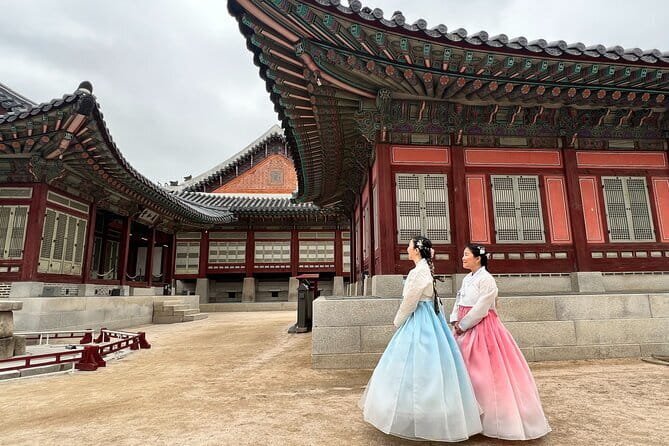
The final named dish is white kimchi, or baek-kimchi. Unlike many familiar red kimchi styles, it is non-spicy. It is served with a delicate broth and noodles, giving the meal a cooler and lighter contrast to the pancake and bacon rice.
This is one of the most useful inclusions on the menu. Korean cuisine is often reduced abroad to heat and red pepper, but baek-kimchi shows that fermentation can also produce a mild, clean flavor. If you avoid spicy food, this dish gives you something substantial to enjoy rather than a token alternative.
The broth and noodles also create a different kind of preparation. You are learning how kimchi can shape a soup-like dish, not only a fried or crunchy one. Taken together, the three recipes show contrast in heat, texture, and use.
You should tell the chef about any dietary concerns before cooking if possible, but the supplied details do not list substitutions or allergy arrangements. Do not assume the bacon, egg, or other ingredients can be changed unless the provider confirms it.
Makgeolli, soda, and the secret dish
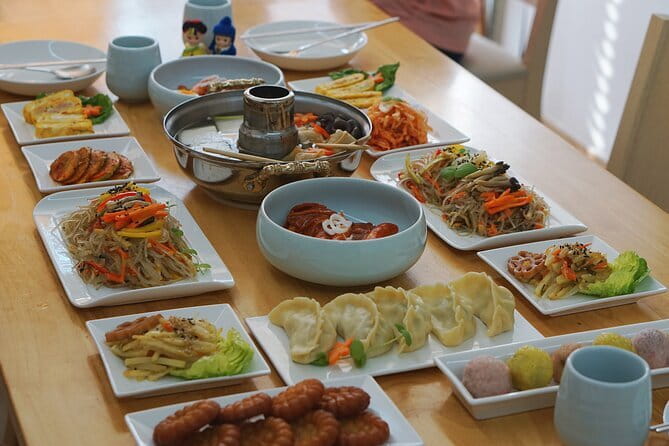
While cooking, you receive a glass of makgeolli or an alcohol-free soda. Makgeolli is a traditional Korean rice wine, and including it connects the meal to local dining customs. The soda gives non-drinkers a straightforward alternative.
The drink is part of the value, but it should not be the reason you book. You are paying mainly for the instruction, food, and small-group format. The class also includes a secret dish, which adds a little surprise to the meal without telling you exactly what to expect in advance.
The included food is substantial for a two-hour activity. You make your own kimchi pancake, prepare radish kimchi with bacon, rice, and egg, and eat white kimchi with broth and noodles. That makes the class function as both a lesson and a meal.
The wording around the secret dish means you should not plan your entire dinner around knowing every included item. You will have several dishes, but the exact extra course is intentionally part of the surprise.
What the group size means at $87
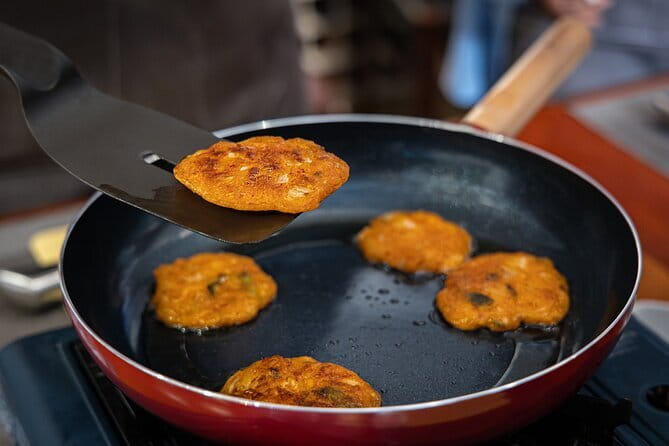
The price is $87 per person. For two hours, that is not cheap if you measure the experience only by the amount of food. It becomes more reasonable when you count the chef’s instruction, the drinks, the secret dish, the small maximum of eight people, and the convenient Jongno setting.
A group of eight is small enough to feel more personal than a large demonstration class. You have a better chance to follow each preparation step and ask questions about ingredients or technique. The named host, Suyeon, was especially well regarded for making the kimchi background clear and engaging.
Still, you should compare the price with your goal. If you want a low-cost meal, a Korean restaurant will cost less. If you want to understand what you are eating, prepare several dishes yourself, and leave with ideas you can repeat at home, the price is easier to justify.
The class is also a useful choice for a short Seoul visit. You do not give up half a day, and the starting point near Gyeongbokgung lets you combine food with major sightseeing. I would consider the price fair for a visitor who values a small group and cultural context, but less attractive to an experienced Korean cook seeking advanced instruction.
Who will enjoy this class most
I would recommend this experience to first-time visitors who want a food activity with clear structure. You prepare three dishes, eat as you go, and learn why kimchi comes in different forms. It gives you a better starting point for ordering Korean food during the rest of your trip.
It also suits couples, friends, and small family groups. The eight-person limit helps keep the class from feeling like a crowded cooking demonstration. The recipes offer enough variety that one person can enjoy spicy flavors while another prefers the mild baek-kimchi.
People who do not drink alcohol can choose soda. People who dislike heat have the white kimchi dish. Those are useful advantages, though the menu still includes bacon, egg, and fermented foods, so you should ask about dietary requirements before booking if those ingredients are a concern.
I would be less enthusiastic if you want a long, technical course on fermentation. The class teaches the principles and uses kimchi in three dishes, but it is not long enough to follow a complete fermentation cycle. It is best understood as a compact introduction to Korean cooking, not a professional kitchen lesson.
Booking, weather, and timing advice
The experience is commonly booked about eight days ahead, so I would reserve early if your Seoul dates are fixed. Confirmation is sent within 48 hours, subject to availability.
You can cancel for a full refund up to 24 hours before the start time. Changes or cancellations made less than 24 hours ahead are not refunded or accepted under the stated policy.
The activity requires good weather and a minimum number of participants. If poor weather or insufficient bookings cause cancellation, you are offered another date or experience, or a full refund. That policy gives you protection, but you should still avoid placing the class immediately before an important departure.
The mobile ticket is convenient. Keep it available on your phone, and plan to reach the third-floor meeting point with time to spare.
Should you book the Secret Cooking Class in Seoul?
Book it if you want a short, friendly introduction to kimchi that includes real cooking, a complete meal, and a small group. The strongest reasons are the three contrasting dishes, Suyeon’s clear explanation of kimchi traditions, and the location near Gyeongbokgung Palace.
Skip it if you mainly want a cheap meal or advanced fermentation training. At $87, the value comes from participation and instruction, not just the food. For a first visit to Seoul, though, this class offers an easy way to connect a famous Korean ingredient with everyday cooking.
FAQ
How long does the Seoul Secret Cooking Class last?
The class lasts approximately two hours.
Where does the cooking class meet?
It meets on the third floor at 36 Jahamun-ro 7-gil in Jongno District, Seoul, near Gyeongbokgung Palace. The activity ends at the same meeting point.
How many people can join the class?
The experience has a maximum of eight participants.
Which dishes will I prepare?
You prepare a cabbage kimchi pancake, called kimchi-buchimgae, radish kimchi with bacon, rice, and egg, and non-spicy white kimchi, called baek-kimchi, served with broth and noodles. A secret dish is also included.
Is a drink included?
Yes. You receive one glass of makgeolli or an alcohol-free soda.
Can I cancel for a full refund?
Yes, if you cancel at least 24 hours before the experience begins. Cancellations made less than 24 hours before the start time are not refunded.
More Food Tours
- Seoul Street Food Market Tour
★ 5.0 · 1,226 reviews - Seoul: Night Market Food Tour with Local Guide
★ 4.9 · 943 reviews - Downtown Seoul Guided Food & Market Tour with 8+ Local Tastings
★ 5.0 · 580 reviews - Small-Group Night Food Tour in Seoul with Korean BBQ
★ 5.0 · 304 reviews
More Cooking Classes
- Seoul: Korean Cooking at Seoul Cooking Club!
★ 5.0 · 311 reviews - Korean Cooking at Seoul Cooking Club
★ 5.0 · 220 reviews - Experience Korean Cooking in Modern Hanok Kitchen
★ 5.0 · 118 reviews - Korean Kimchi Making Day Experience with a Local Market Tour
★ 5.0 · 99 reviews
Just added around Seoul
- Seoraksan National Park & Nami Island★ 4.5 · 3 reviews
- Strawberry Picking, Winter Sled with Eobi Ice Valley from Seoul★ 4.5 · 3 reviews
- Seoul Full Day small group Tour★ 5.0 · 3 reviews
- Majang Meat Market Experience: Private Tour with Han-woo Beef BBQ★ 5.0 · 3 reviews
- Seoul Korean BBQ Dinner Experience with Secret Food Tours★ 5.0 · 3 reviews
- Rice Wine Tasting with Sommelier – Finest Makgeolli (& Soju)★ 5.0 · 3 reviews
- Max Out Seoul: Must Visit City Highlights Panoramic Day Tour★ 5.0 · 3 reviews
- Seongsu-dong Walking Tour: K-Pop, Culture, Cheer, Friends & Relax★ 4.5 · 3 reviews
Cooking Classes, compared.

Local Home Korean Cooking Class & Market Adventure in Seoul
Read our review →
Master Korean traditional cooking with a Kimchi chef
Read our review →
Korean Cooking Class at a Local Home and Market Tour
Read our review →

Experience Korean Cooking in Modern Hanok Kitchen
Read our review →
Korean Cooking Class with Grocery Shopping at Seoul Local Market
Read our review →
Korean Kimchi Making Day Experience with a Local Market Tour
Read our review →Browse the lists this tour appears in