
Reviewed · COOKING CLASSES
You’re Invited to Our Home in Seoul: The Only Cooking Class!
Come hungry, leave with Korean recipes. This two-hour class invites you into a real Seoul home, where you prepare assorted jeon, sip traditional tea, and eat a full Korean meal while looking toward the Han River. I especially like the warm, personal setting and the chance to ask David and Hanna about Korean food, daily life, and places to visit. The main consideration is practical: at $110 per person, this costs more than a basic commercial cooking class, and the home setting is not suitable for wheelchair users.
What makes this experience appealing is its small size, limited to four people. You are not standing at the back of a large kitchen while an instructor races through recipes. You get personal guidance, a meal, recipes to take home, photographs from the class, and an optional one-hour walk near the Han River. Shellfish allergies and other dietary needs can be accommodated, but you should explain them before arrival.
In This Review
- Key Points Before You Book
- Entering a Seoul Home Instead of a Cooking Studio
- A Menu Built Around Assorted Jeon
- Doenjang-jjigae and the Rest of the Meal
- Why Jeon Matters in Korean Culture
- Cooking With David and Hanna
- The Han River View and Optional Walk
- What Two Hours Really Gets You
- Is $110 a Fair Price?
- Who Will Enjoy This Most?
- Practical Details for a Smooth Visit
- Should You Book This Korean Home Cooking Class?
- FAQ
- Where does the cooking class take place?
- How long does the cooking class last?
- How many people can join?
- What food will I make?
- Is a full meal included?
- Can the menu accommodate dietary restrictions?
- Is transportation included?
- Is the activity wheelchair accessible?
Key Points Before You Book
- Cook in a real Korean home: This is a personal cultural visit, not a restaurant demonstration or commercial kitchen class.
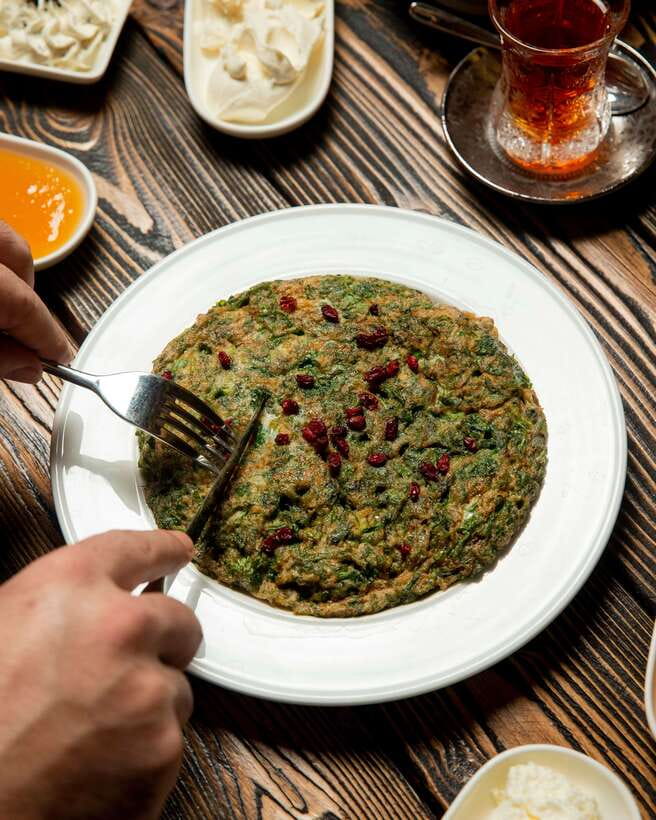
- Make several kinds of jeon: Depending on the ingredients available, you may prepare meatball, scallion, zucchini, mushroom, tofu, beef, seafood, or skewered pancakes.
- Enjoy more than pancakes: The meal includes doenjang-jjigae, seasonal banchan, Korean tea, sikhye, and hotteok.
- Ask for Seoul advice: David has helped participants choose foods to try, places to see, and even find their bus after the class.
- See the Han River from home: The setting includes views of the river and central Seoul, followed by an optional local walk.
- Plan around the limits: Transportation is not included, pets and smoking are not allowed, and the class is not suitable for wheelchair users.
Entering a Seoul Home Instead of a Cooking Studio
The first difference appears before you chop a vegetable. You are being welcomed into a household, where the hosts share food, conversation, and a view of Seoul rather than presenting a polished class in a purpose-built studio.
That setting matters. Korean cooking is closely tied to family gatherings, holidays, and shared preparation. Jeon is often made in quantity, with several people working side by side. One person mixes ingredients, another shapes the pieces, and someone else watches the pan. This class tries to recreate that social rhythm on a smaller scale.
The group limit of four is a real advantage. You have room to ask questions, receive cooking tips, and talk with the hosts without fighting for attention. It also means the mood can feel more like a meal with new acquaintances than a formal lesson.
The tradeoff is that a home is not designed like an accessible attraction. You should expect an ordinary residential setting rather than wide commercial walkways or a fully adapted kitchen. The activity is specifically listed as unsuitable for wheelchair users.
More Cooking Classes in Seoul
- Local Home Korean Cooking Class & Market Adventure in Seoul
★ 5.0 · 1,024 reviews - Master Korean traditional cooking with a Kimchi chef
★ 5.0 · 385 reviews - Seoul: Korean Cooking Class at a Local Home and Market Tour
★ 5.0 · 348 reviews
A Menu Built Around Assorted Jeon
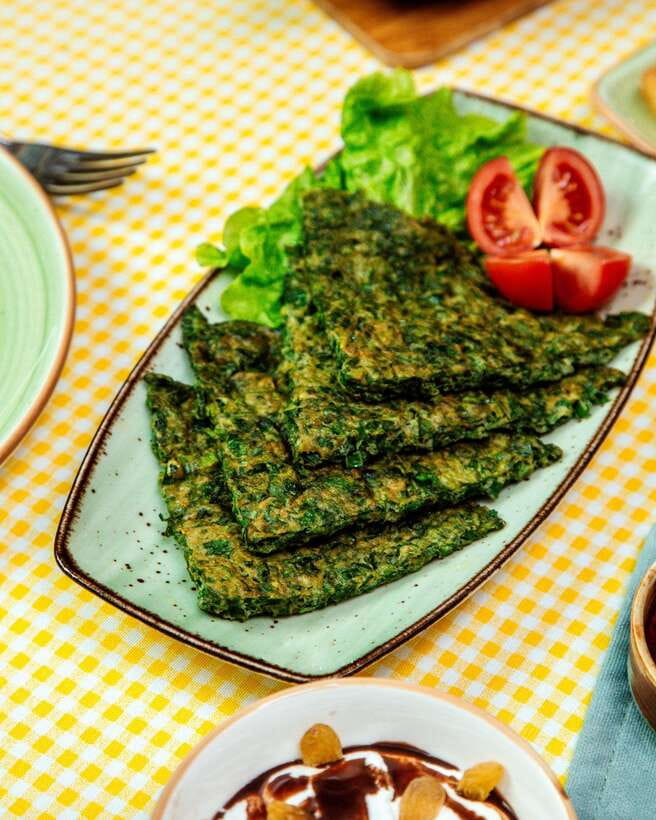
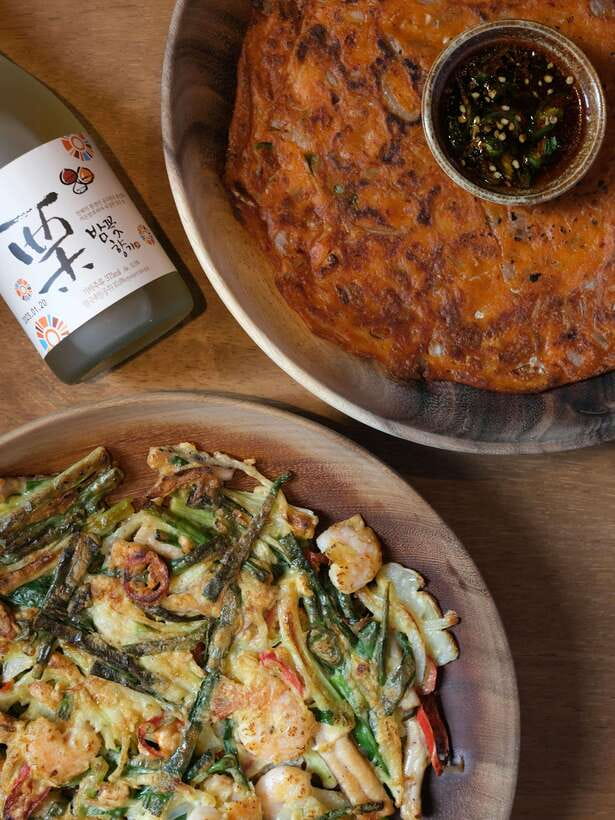
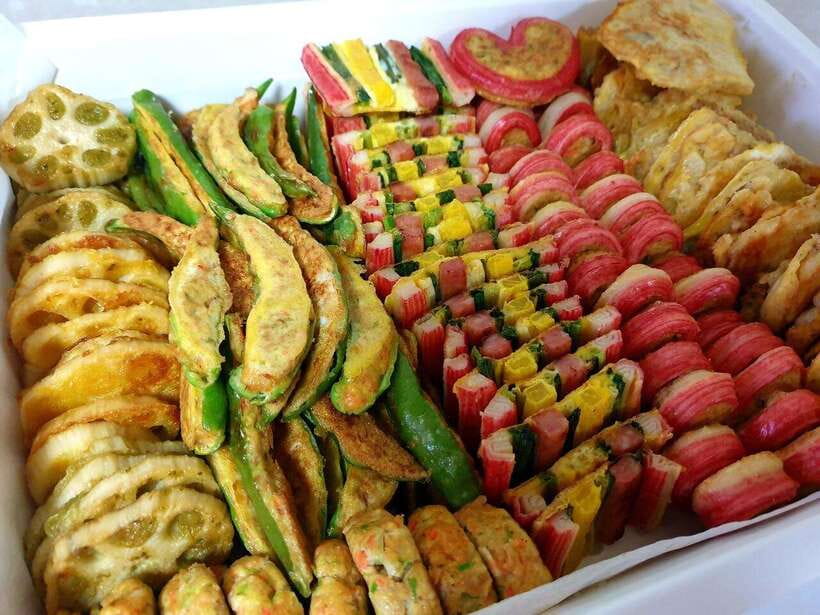
The centerpiece is assorted jeon, a broad family of Korean pan-fried dishes. The word is often translated as Korean pancake, but that description only tells part of the story. Jeon can be made from vegetables, meat, tofu, mushrooms, seafood, or ingredients arranged on skewers.
The exact selection depends on what is available that day. Possible dishes include:
- Donggeurangttaeng, a small meatball-style pancake
- Pajeon, made with scallions
- Hobakjeon, made with zucchini
- Beoseotjeon, made with mushrooms
- Dubujeon, made with tofu
- Yukjeon, made with beef
- Kkochi-jeon, arranged on skewers
- Haemuljeon, made with seafood
This variety is one of the best reasons to choose the class. You can compare soft tofu with firmer beef, earthy mushrooms with sweet zucchini, and the fresh taste of scallions with seafood or meat. The lesson also shows how a similar cooking method can produce many textures and flavors.
Jeon rewards patience. Each piece needs careful handling and attention in the pan. You are not simply mixing ingredients and waiting for an oven timer. You learn to shape, turn, and cook each portion without breaking it or letting it brown too quickly.
If you have a shellfish allergy, the class can be adjusted. One participant with this concern was able to enjoy Korean food without worry after the menu was changed. Still, you should provide clear dietary information in advance. Vegan, vegetarian, pork-free, and less spicy options can also be arranged.
Doenjang-jjigae and the Rest of the Meal
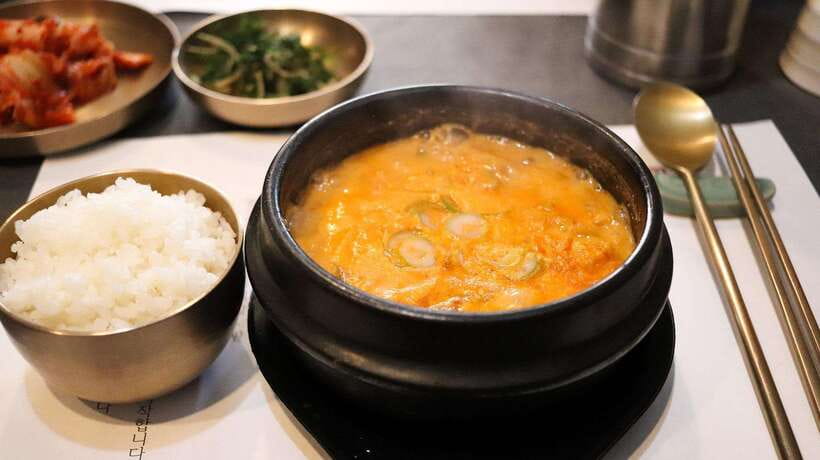
Jeon is only part of the meal. You also receive doenjang-jjigae, a Korean soybean paste stew, along with three main dishes and seasonal banchan. These small side dishes are important because they show how a Korean meal is built around several tastes rather than one large centerpiece.
The stew brings a warm, savory element to the meal. The banchan add contrast and variety, though the exact seasonal selection is not specified. This gives the menu some flexibility and keeps it tied to ingredients available at the time of your visit.
A welcome cup of traditional Korean tea begins the experience, and tea and snacks remain available during the class. Water is included as well. You may want to bring a small snack and your own water, both of which appear on the suggested packing list, but the class itself includes refreshments.
The sweet course includes sikhye, a traditional sweet rice punch, and hotteok. Sikhye is served chilled or cool in many Korean settings and offers a gentle, sweet finish. Hotteok is a sweet Korean pancake, usually associated with a soft exterior and sugary filling. Here, it gives you a second kind of pancake to compare with the savory jeon.
One past menu also included gimbap, octopus ramen, and a sweet pastry. That tells you the food may have some flexibility beyond the listed core menu, though you should not book expecting those specific items. The dependable outline is jeon, doenjang-jjigae, seasonal banchan, tea, sikhye, and hotteok.
Why Jeon Matters in Korean Culture

The class places jeon in the context of Korean family life and the Joseon Dynasty. Jeon was served at royal banquets, ancestral rituals, holiday meals, and family celebrations. Its importance is not only about flavor. The preparation itself brings people together.
That background adds meaning to the hands-on work. When you sit around a pan making one piece at a time, you are taking part in a cooking style linked to patience, cooperation, and care. Korean families often prepare large amounts of jeon for traditional holidays, so the activity offers a small look at how food becomes a shared task.
I like this part of the class because it gives you something to remember beyond a list of ingredients. You learn why the dish appears at important gatherings and why a plate of different jeon can feel celebratory.
Do not expect a long academic lecture. The available information describes a brief history and conversation about Korean customs, travel, and everyday life. The strongest value comes from the informal setting, where you can ask a question as it comes up.
More Workshops in Seoul
- Yongpyong Ski Resort from Seoul with Optional Lesson and Packages
★ 5.0 · 217 reviews - Korean Cooking Class with Grocery Shopping at Seoul Local Market
★ 5.0 · 107 reviews - Royal Seoul Cooking Class in a 100-Year-Old Hanok
★ 5.0 · 81 reviews - Seoul : Taste of Korea, Authentic Home-Style Cooking Class
★ 5.0 · 64 reviews
Cooking With David and Hanna

David and Hanna are central to the experience. The hosts have been praised for making people feel welcome, and David has offered practical help beyond the kitchen. He has suggested foods to try, places to visit in Seoul, and directions for catching a bus after the activity.
That kind of local advice can be more useful than a generic list of attractions. If you are still deciding where to eat or what to see, bring specific questions. Ask about Korean dishes you have noticed, neighborhoods you plan to visit, or customs you do not understand.
The hosts speak English and Korean. English-speaking visitors should be able to communicate during the class, while Korean-speaking participants can also take part comfortably. As with any cooking activity, the pace and amount of conversation may vary with the group, but the small size gives you a good chance for direct interaction.
The atmosphere appears especially well suited to people who enjoy meeting locals. You should choose another activity if you want a fast, highly structured cooking lesson with no personal conversation. This class is as much about being welcomed into a home as it is about learning a recipe.
The Han River View and Optional Walk
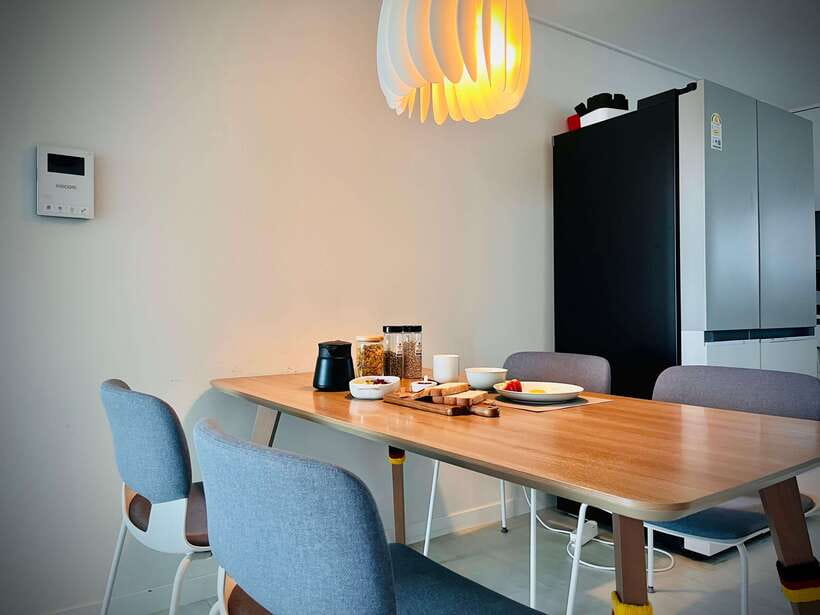
The home has a view of the Han River and downtown Seoul. That setting adds a strong visual element to the meal, especially if you want a break from restaurant interiors and crowded sightseeing sites.
After eating, you can join an optional one-hour walk through the local area and by the Han River. You are free to skip it, which is useful if you have evening plans, need a rest, or prefer to spend more time talking with the hosts.
The walk is not described as a formal sightseeing tour with a fixed list of landmarks. Think of it as a chance to get your bearings near the home and see the river area with local guidance. If you want a focused history tour or major attraction visit, this walk may feel limited. If you want a relaxed extension of the home visit, it is a worthwhile extra at no added cost.
Bring comfortable shoes. You may also want a camera, particularly because a DSLR photography session is included. Photos taken during the class are provided afterward, giving you a record of the cooking and meal. The exact number and delivery method of the photos are not specified, so treat this as a pleasant included extra rather than the main reason to book.
What Two Hours Really Gets You

Two hours is enough for a focused introduction, but it is not a full-day culinary course. The experience needs to fit cooking, dining, cultural discussion, tea, dessert, and perhaps photographs into that window.
You should expect a compact schedule. The class likely moves from welcome and preparation into hands-on cooking, followed by the meal and sweets. Conversation can happen throughout, but there may not be time for lengthy instruction on every single version of jeon.
That is not necessarily a weakness. Most people visiting Seoul want a manageable activity that fits between sightseeing plans. Two hours gives you a useful taste of Korean home cooking without consuming half a day.
The optional river walk is separate in spirit, adding about an hour if you choose it. Since the walk is free and flexible, you can decide based on weather, energy, and your schedule.
Is $110 a Fair Price?
At $110 per person, this is not the cheapest way to eat Korean food. You can find a simple meal in Seoul for far less, and a commercial cooking class may charge less as well.
The value comes from the package. Your price includes a welcome tea, ingredients, equipment, apron and utensils, a full meal with three main dishes and seasonal banchan, desserts, water, cooking guidance, recipes, photographs, and the optional local walk. You are also paying for a small group of no more than four people and access to a private home.
I think the price makes the most sense for someone who values conversation and cultural context. If you only want to learn how to make one dish, it may feel expensive. If you want a meal, a personal meeting with local hosts, Seoul advice, and a recipe collection in one appointment, the cost is easier to justify.
The fact that the menu can be adjusted also adds value for people with dietary needs. You should not assume every ingredient will be replaced automatically, but the hosts have shown care with allergies and can adjust spice levels and menu choices when told in advance.
Who Will Enjoy This Most?
I would recommend this class to couples, solo visitors, families with older children, and small groups of friends who want a personal activity. It is also a good fit if you have already visited major Seoul sights and want to see how food connects with ordinary Korean life.
Food-focused visitors will appreciate the range of jeon. Culture-minded visitors will enjoy the discussion of holidays, royal banquets, ancestral rituals, and family traditions. First-time visitors can use the opportunity to ask for restaurant and sightseeing suggestions.
It may be less suitable for anyone seeking a professional kitchen, advanced culinary training, or a fast-paced lesson. People with mobility limitations should note the accessibility restriction. Smoking and pets are not allowed.
The class is offered in English and Korean, and the group remains very small. That combination makes it easier to participate actively, even if you are not an experienced cook.
Practical Details for a Smooth Visit
Transportation to and from the home is not included, so plan that part yourself. The exact starting time depends on availability, and you should check the schedule before booking.
Wear comfortable shoes and clothes suitable for cooking. Bring a camera if you want your own photos in addition to the included DSLR session. Snacks and water are listed as items to bring, although water is also provided during the class.
Tell the hosts about allergies, vegetarian or vegan preferences, pork restrictions, and spice concerns ahead of time. Shellfish is particularly important to mention because seafood may appear among the possible jeon choices.
Cancellation is flexible up to 24 hours before the activity for a full refund. You can also reserve and pay later, which helps if your Seoul schedule is still changing.
Should You Book This Korean Home Cooking Class?
Book it if you want more than a recipe lesson. The strongest feature is the feeling of being welcomed into a Korean household, with David and Hanna offering food, conversation, and practical Seoul advice. The small group, flexible menu, river view, and take-home recipes make the experience feel personal rather than mass-produced.
Skip it if $110 is beyond your activity budget, if you need wheelchair access, or if you prefer a formal culinary school setting. For everyone else, this is a thoughtful choice for an evening or afternoon when you want to eat well, learn why jeon matters, and see a more domestic side of Seoul.
FAQ
Where does the cooking class take place?
The experience takes place in a real Korean home in Seoul, not in a commercial cooking studio or restaurant.
How long does the cooking class last?
The cooking and dining experience lasts two hours. An optional one-hour walk near the local area and Han River is available afterward.
How many people can join?
The activity is limited to four participants, making it a small-group experience.
What food will I make?
The main focus is assorted jeon, with possible varieties including meatball, scallion, zucchini, mushroom, tofu, beef, seafood, and skewered pancakes. The selection depends on ingredient availability.
Is a full meal included?
Yes. The class includes three main dishes with seasonal banchan, doenjang-jjigae, traditional tea, sikhye, and hotteok. Additional menu items may vary.
Can the menu accommodate dietary restrictions?
Yes. Vegan, vegetarian, pork-free, allergy-related, and less spicy requests can be accommodated. You should provide this information in advance.
Is transportation included?
No. Transportation to and from the Korean home is not included.
Is the activity wheelchair accessible?
No. The experience is listed as unsuitable for wheelchair users.
More Workshops
- K-pop Dance Class in Seoul (Incl. video shooting & editing)
★ 5.0 · 52 reviews - Traditional Korean 6-Dish Cooking Class + Hidden Alley Tour Seoul
★ 5.0 · 42 reviews - Make your K-scent perfume: Modern oneday class in Seoul
★ 5.0 · 40 reviews - Korean Home Style Cooking Class in Gangnam Seoul
★ 5.0 · 40 reviews
More Cooking Classes
- Seoul: Korean Cooking at Seoul Cooking Club!
★ 5.0 · 311 reviews - Korean Cooking at Seoul Cooking Club
★ 5.0 · 220 reviews - Experience Korean Cooking in Modern Hanok Kitchen
★ 5.0 · 118 reviews - Korean Kimchi Making Day Experience with a Local Market Tour
★ 5.0 · 99 reviews
Just added around Seoul
- Seoraksan National Park & Nami Island★ 4.5 · 3 reviews
- Strawberry Picking, Winter Sled with Eobi Ice Valley from Seoul★ 4.5 · 3 reviews
- Seoul Full Day small group Tour★ 5.0 · 3 reviews
- Majang Meat Market Experience: Private Tour with Han-woo Beef BBQ★ 5.0 · 3 reviews
- Seoul Korean BBQ Dinner Experience with Secret Food Tours★ 5.0 · 3 reviews
- Rice Wine Tasting with Sommelier – Finest Makgeolli (& Soju)★ 5.0 · 3 reviews
- Max Out Seoul: Must Visit City Highlights Panoramic Day Tour★ 5.0 · 3 reviews
- Seongsu-dong Walking Tour: K-Pop, Culture, Cheer, Friends & Relax★ 4.5 · 3 reviews
Cooking Classes, compared.

Local Home Korean Cooking Class & Market Adventure in Seoul
Read our review →
Master Korean traditional cooking with a Kimchi chef
Read our review →
Korean Cooking Class at a Local Home and Market Tour
Read our review →
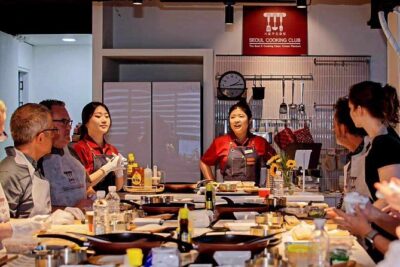

Experience Korean Cooking in Modern Hanok Kitchen
Read our review →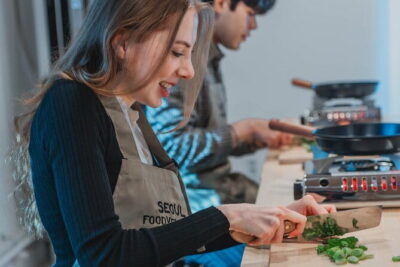
Korean Cooking Class with Grocery Shopping at Seoul Local Market
Read our review →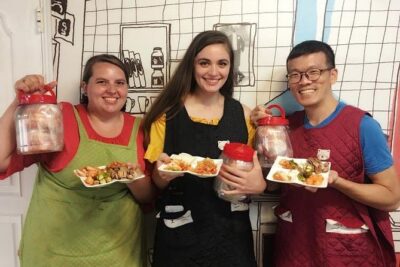
Korean Kimchi Making Day Experience with a Local Market Tour
Read our review →Browse the lists this tour appears in